
Storms Don’t Just Knock Down Power Lines. They Expose Risk.
Utility companies are increasingly using high-res aerial imagery and data to spot weak points, stay compliant, and build resilience faster before the next storm hits.
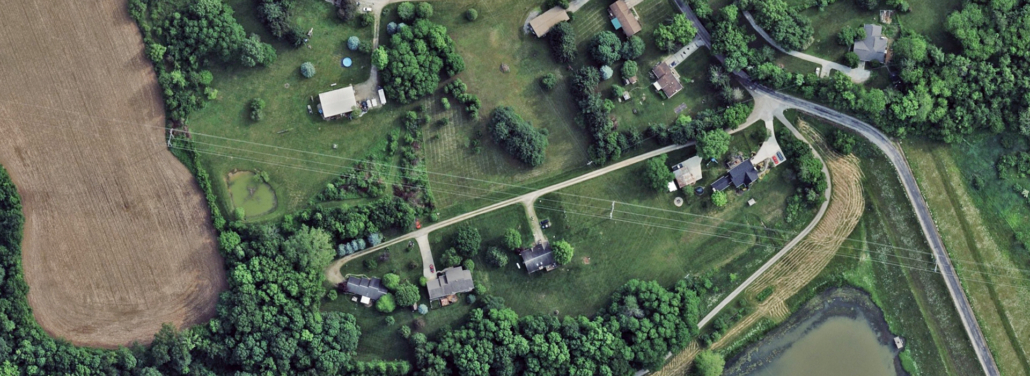
When storms hit, the strength of the grid is tested in real time. High winds, flooding, and falling trees can take down transmission lines or damage substations in minutes, leaving thousands without power. For utilities managers, staying ahead of those risks isn’t just about restoration; it’s about prediction, preparation, and prevention. By combining high-resolution imagery with detailed elevation and surface data, Vexcel enables utility managers to map vulnerabilities, model storm impact, and make informed decisions to minimize downtime.
The Rising Stakes for Utilities
Weather-related outages are increasing in both frequency and cost. The U.S. Department of Energy reports that severe-weather power outages have increased by almost 80% since 2011.
Utilities face growing pressure to harden infrastructure, meet reliability standards, and restore power faster when nature strikes. Yet the biggest challenge isn’t fixing what’s broken—it’s knowing where and why vulnerabilities exist.
Traditional ground inspections can be time-consuming and could require access to dangerous or remote areas. Aerial imagery, by contrast, provides a safer, faster, and more comprehensive view of the grid before and after a storm, helping utilities plan smarter and act sooner.
Seeing the Grid from Above
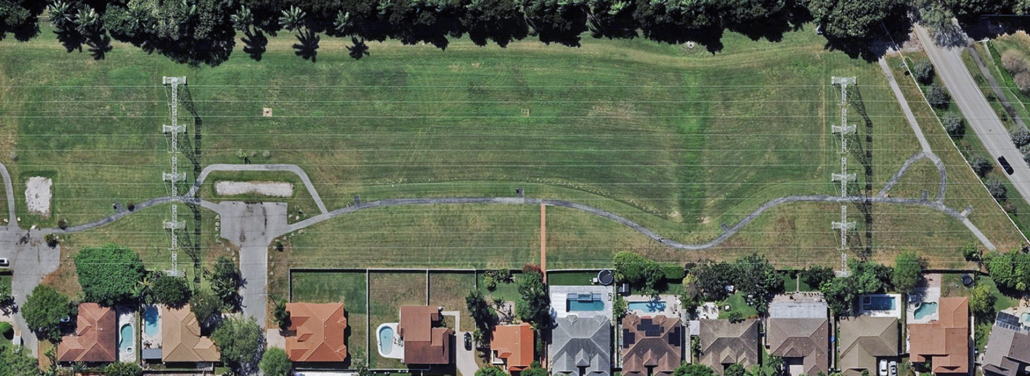
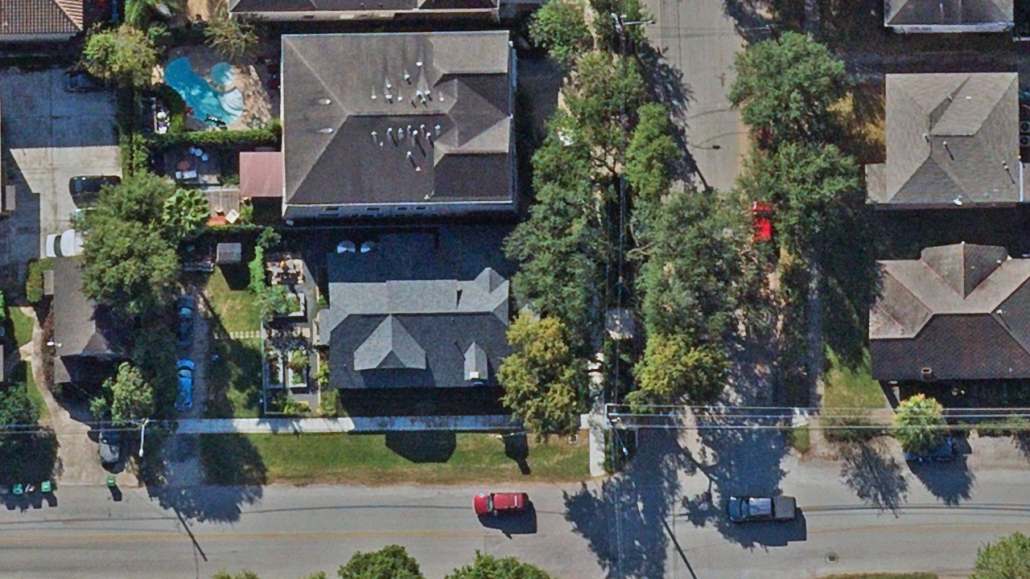
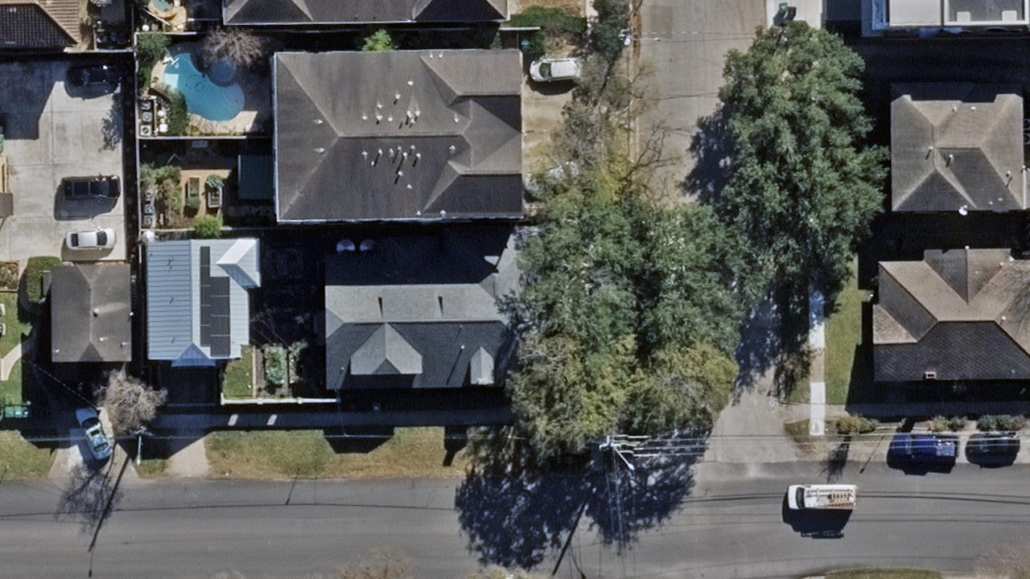
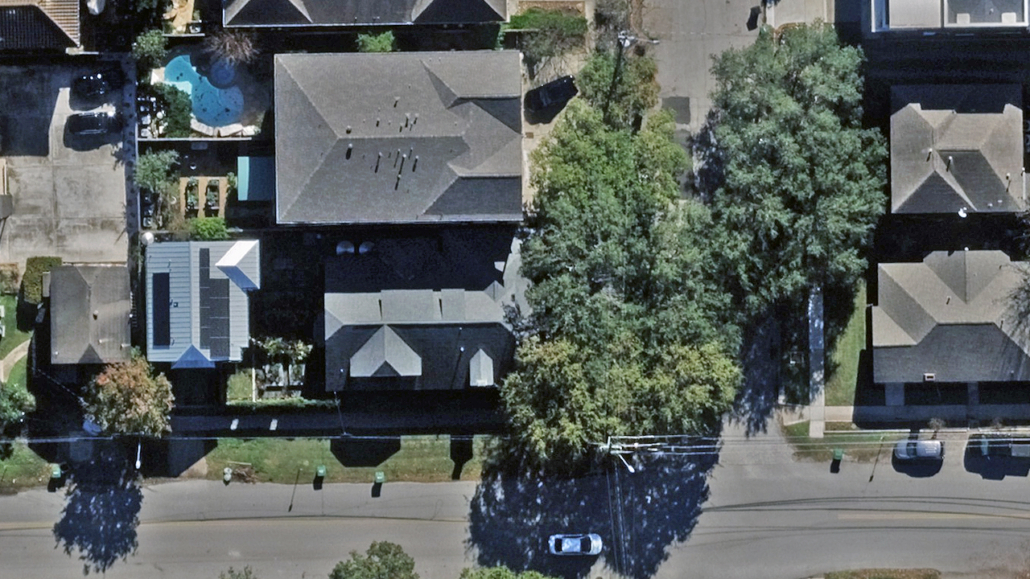
Vexcel’s high-resolution aerial imagery delivers detailed insight into utility assets across our collection program in 40+ countries. Many countries even have urban and rural coverage, all between a resolution of 7.5–15cm, giving utilities a scalable, consistent, and trusted source of truth to assess, plan, and protect critical infrastructure.
With Vexcel’s Ortho and DSM (Digital Surface Models) data, utilities teams can:
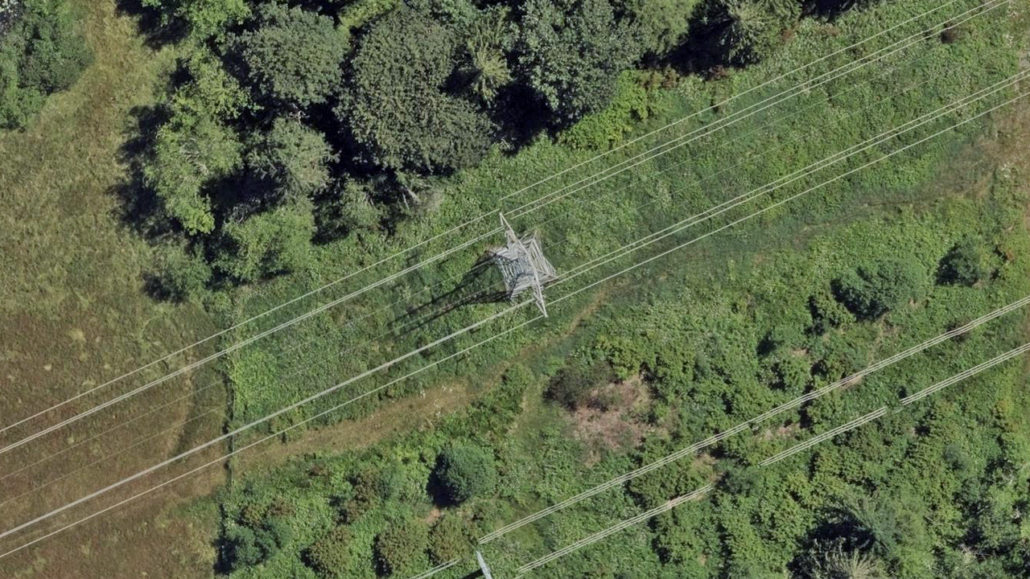
- Spot vegetation encroachment threatening transmission lines
- Assess access routes for crews ahead of severe weather
- Validate maintenance and upgrades remotely
- Map storm paths to identify high-impact zones
- Compare pre- and post-event imagery to guide restoration
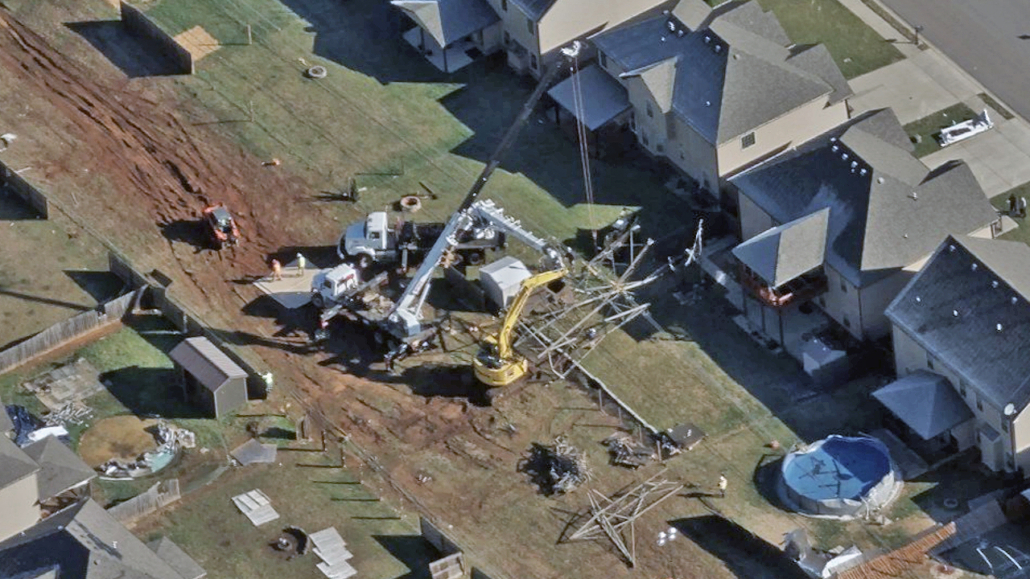
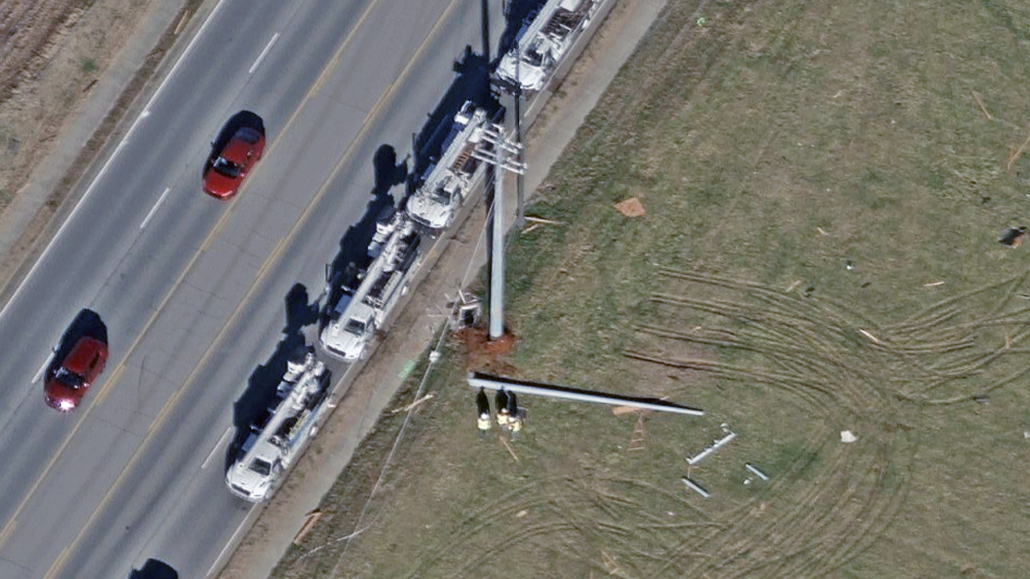
When storms strike, Vexcel’s Gray Sky program collects imagery as soon as possible after major disasters such as tornadoes, hurricanes, and wildfires, helping utilities confirm damage, validate field reports, and coordinate response efforts more efficiently.

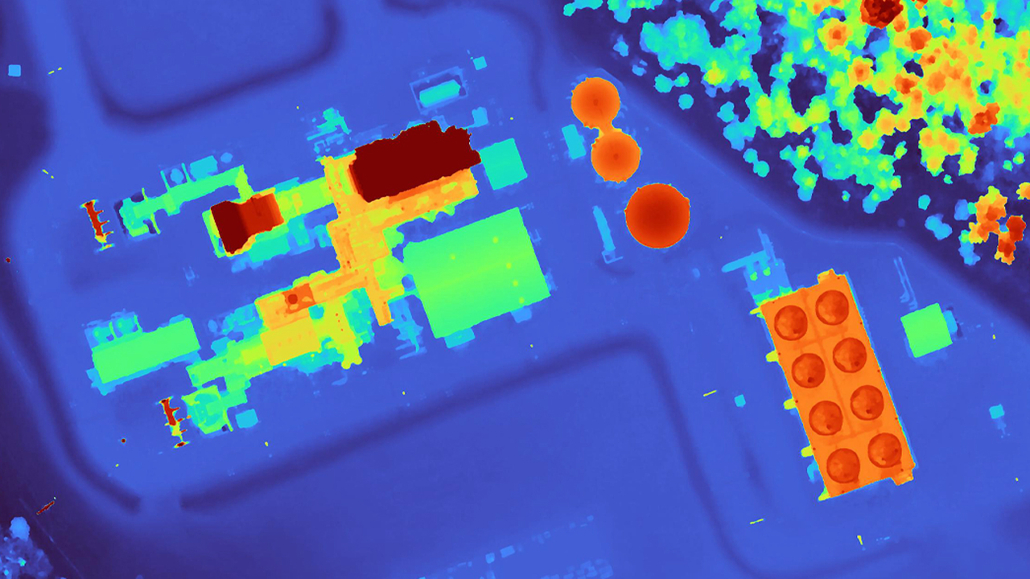
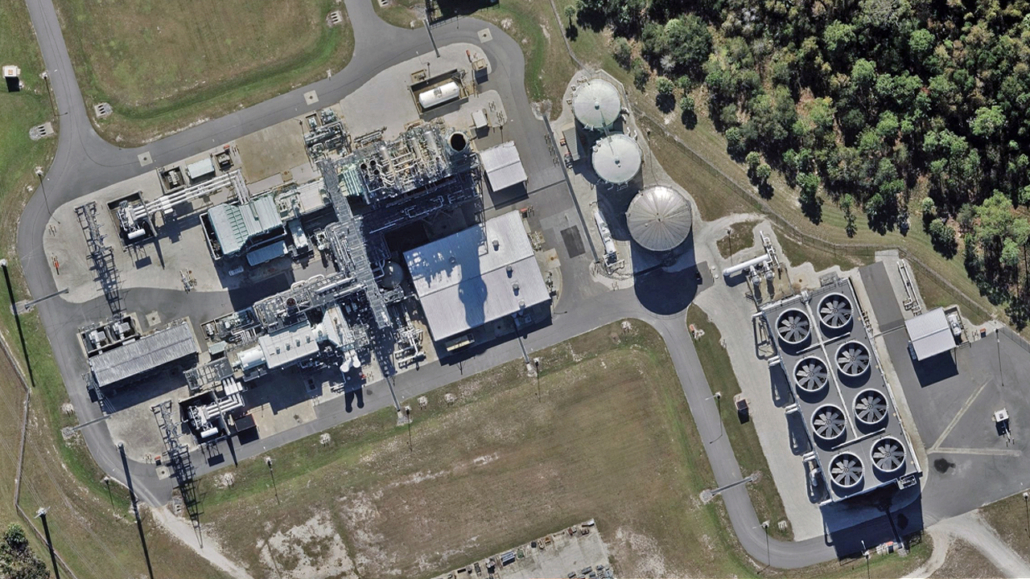
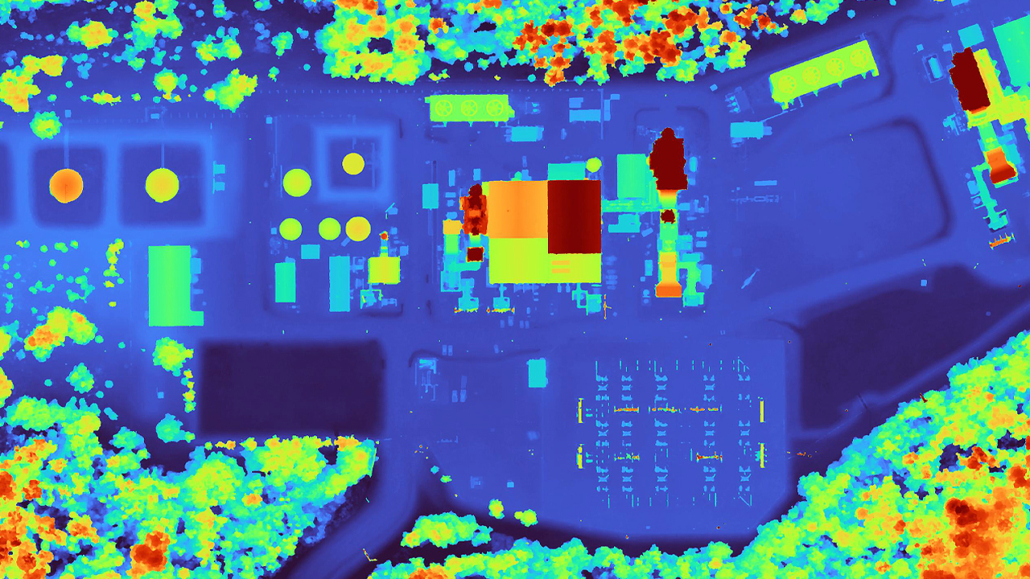
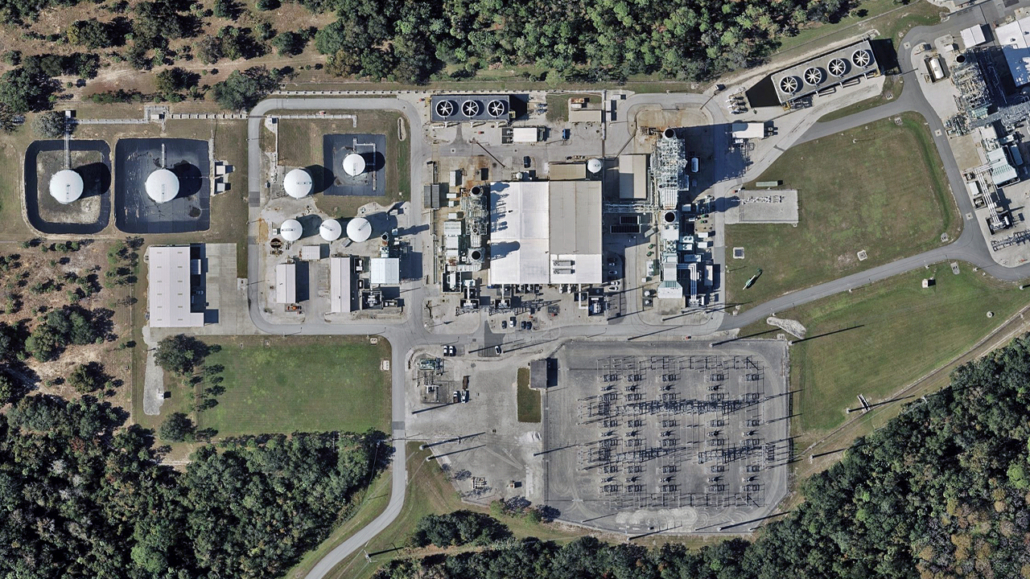
A Model for Storm Preparedness
Storm-proofing the grid is about readiness as much as recovery. Here’s a framework for utilities managers using aerial imagery:

- Identify Risk Zones
Use Vexcel’s basemaps and DSM data to analyze floodplains, terrain, and vegetation density. Overlay infrastructure layers to see where assets intersect with risk. - Monitor Continuously
Leverage regular Vexcel updates to detect change—construction, erosion, or vegetation growth. AI analytics can flag areas trending toward risk thresholds. - Simulate Impact Scenarios
Integrate imagery and elevation models into storm simulations or grid modeling to test how wind, flooding, or snow events could impact infrastructure. - Prioritize Maintenance
Use historical imagery and change detection to plan proactive maintenance—focusing on the most vulnerable assets before storm season. - Respond & Validate
Activate Gray Sky imagery post-event for near-real-time situational awareness. Use post-storm imagery to confirm crew locations, verify repairs, and document compliance.
Reliable Coverage for Every Mile of Line
Few solutions match the scale and consistency of Vexcel’s aerial data. For example, in the U.S., Vexcel’s broad coverage in urban and rural areas, along with decades of photogrammetric expertise, offer utilities a foundation for prevention, planning, and post-storm recovery.
Storms will always test the grid. But with aerial imagery that’s clear, current, and consistent, utilities can test their readiness long before the first drop of rain.