
Spot the Spark Before it Starts
How Utilities Use Imagery to Reduce Fire Risk
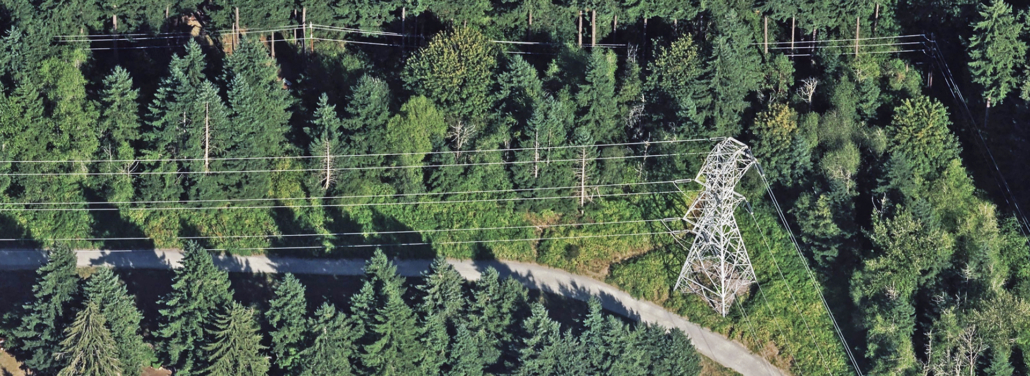
For electric utilities, assessing and staying on top of wildfire risk is essential and no longer a seasonal concern. It’s a year-round focus as aging infrastructure, drought-prone regions, and expanding development along rights-of-way have created a new reality: a single vegetation contact event can trigger catastrophic consequences.
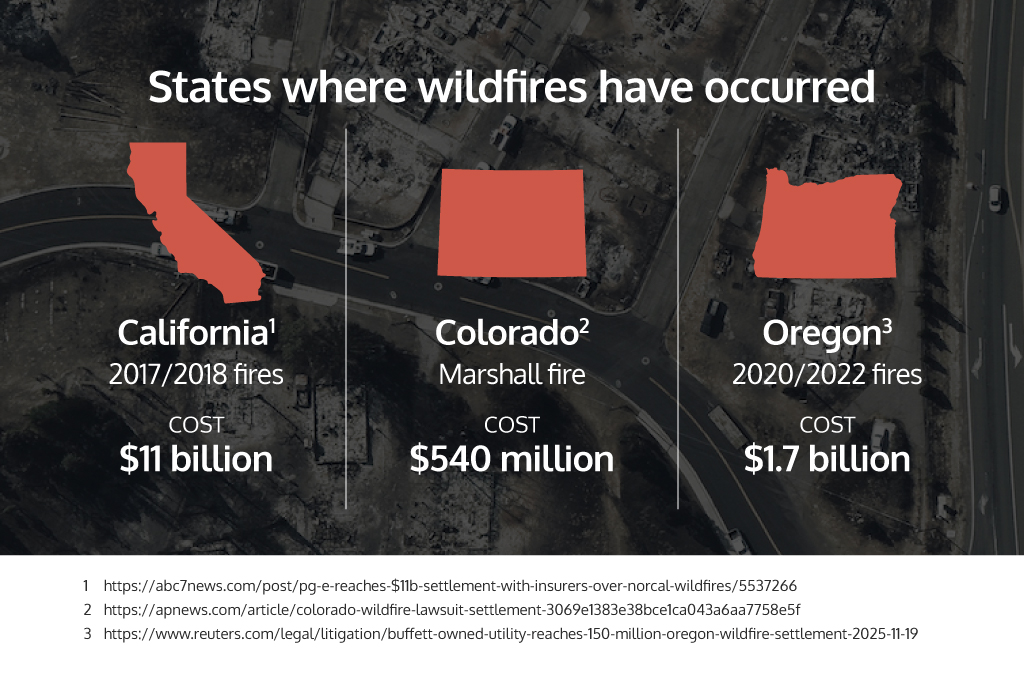
Power lines have been linked to thousands of wildfire ignitions in recent years, and high wind events continue to amplify that risk. In states like California, Colorado, and Oregon, utility-related fires have led to billions of dollars of damages, regulatory scrutiny, and large-scale litigation. The financial stakes are enormous, but so is the responsibility to the communities.
The challenge for utility managers and risk planners is staying aware and ahead of where vegetation poses a threat.
Early Detection Changes Everything
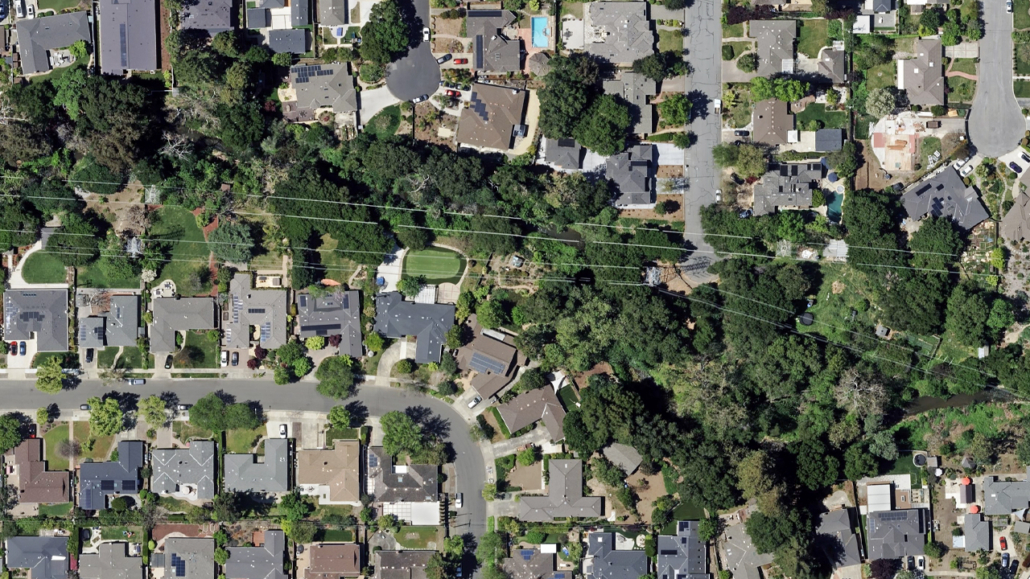
High-resolution aerial imagery and Digital Surface Models (DSM) give utility managers a greater ability to see risk before it escalates. To better understand risk, get the right information.
With Vexcel’s high-resolution imagery and DSM data, managers and risk planners can:
- Identify vegetation encroachment into transmission and distribution corridors
- Measure tree height relative to conductor clearance using DSM data
- Detect overhang risk outside the immediate right-of-way
- Monitor growth cycles between trimming intervals
- Assess slope, terrain, and fuel loading around critical assets
In the short video below, see how our ortho imagery and DSM data work together to reveal vegetation encroachment in a specific area over time, a second location highlighting risk, and then finally multiple views from all four cardinal directions. All these views help make clearance risks readily identifiable.
Managing Fire Risk at Network Scale
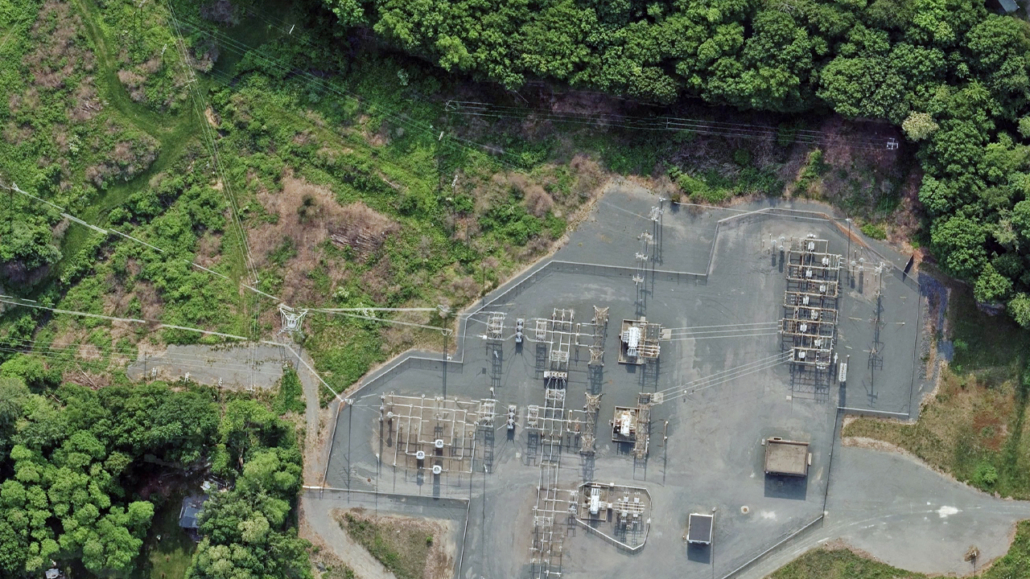
Utility managers are responsible for keeping the lights on, meaning a footprint stretches far beyond a single map. Lines run through cities, across state borders, and into remote terrain. When visibility changes from one area to the next, inspections get uneven and it’s harder to know what to tackle first.
That’s why coverage and consistency matter. With high-resolution imagery collected on an ongoing basis across 49 U.S. states and available in more than 45 countries and territories, Vexcel delivers a uniform view of an entire network. Whether reviewing a neighborhood feeder or a remote transmission corridor, utilities are working from consistent imagery and data standard.
The result is stronger analytics, more defensible risk scoring, and vegetation management that’s proactive rather than reactive. And just as important, it means managers and planners alike can see infrastructure clearly, at full scale, and stay ahead of fire risk.
Reducing Liability Through Proactive Monitoring
Wildfire Mitigation Plans (WMPs) are quickly becoming central to utility risk strategy. In the past year alone, eight states adopted WMP standards, joining six others with existing frameworks, bringing the total to 14 states with formal requirements. In several of these states, whether a utility meets its WMP obligations can directly influence how liability is determined after a wildfire, raising the stakes for thorough planning and documentation.
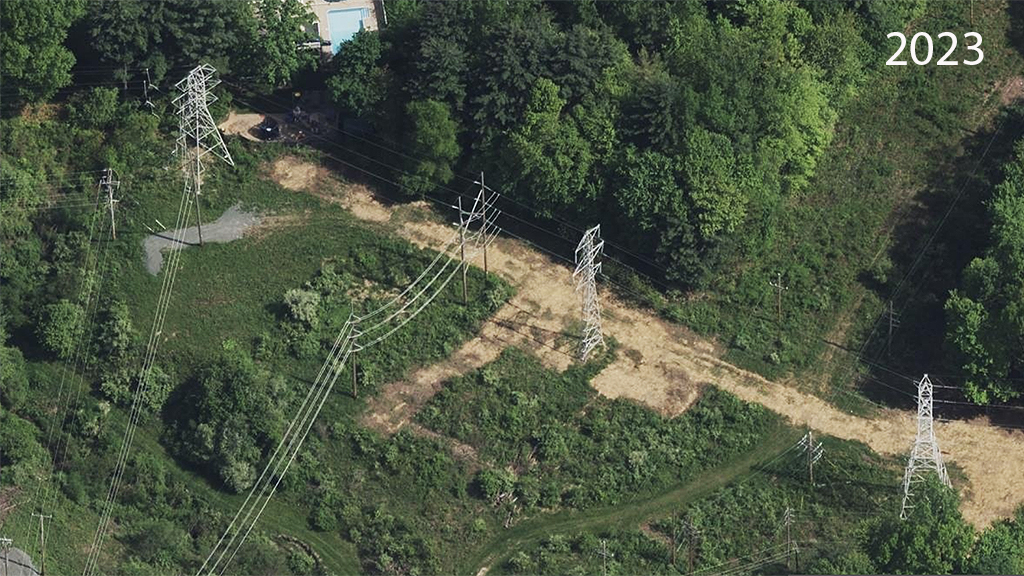
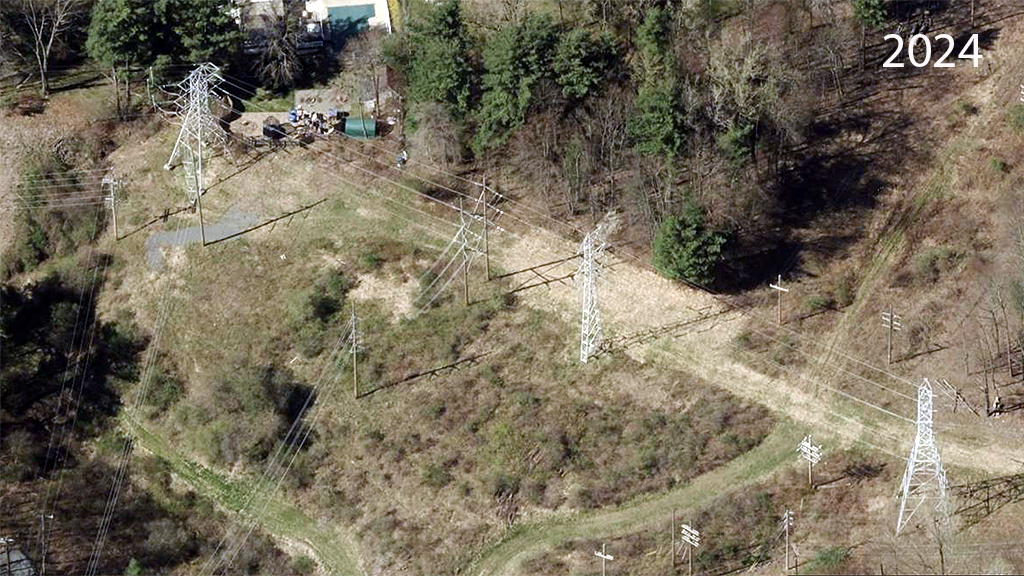
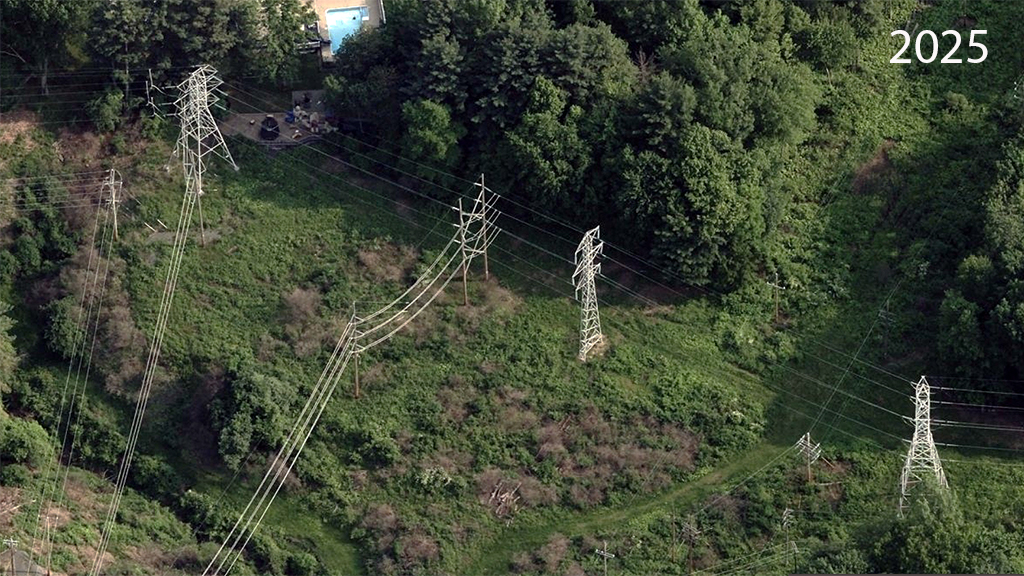
Settlements and claims tied to vegetation-related ignitions have run upwards of several billions of dollars, and a few examples over the past few years are shown below. But being proactive in electric utilities monitoring is not just about safety; it’s about playing defense. With documented, timestamped imagery, utilities can demonstrate due diligence in asset inspection and vegetation management.
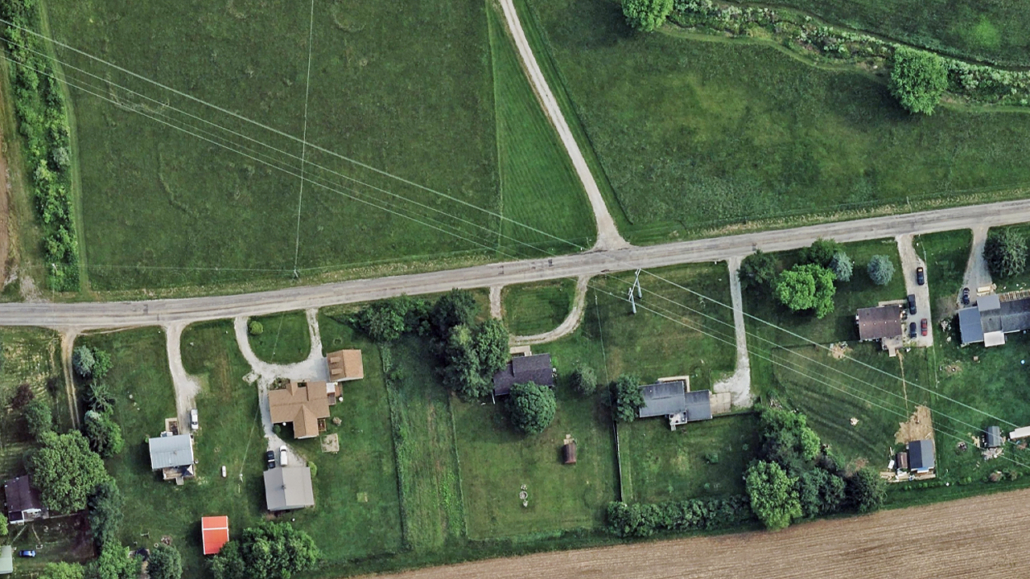
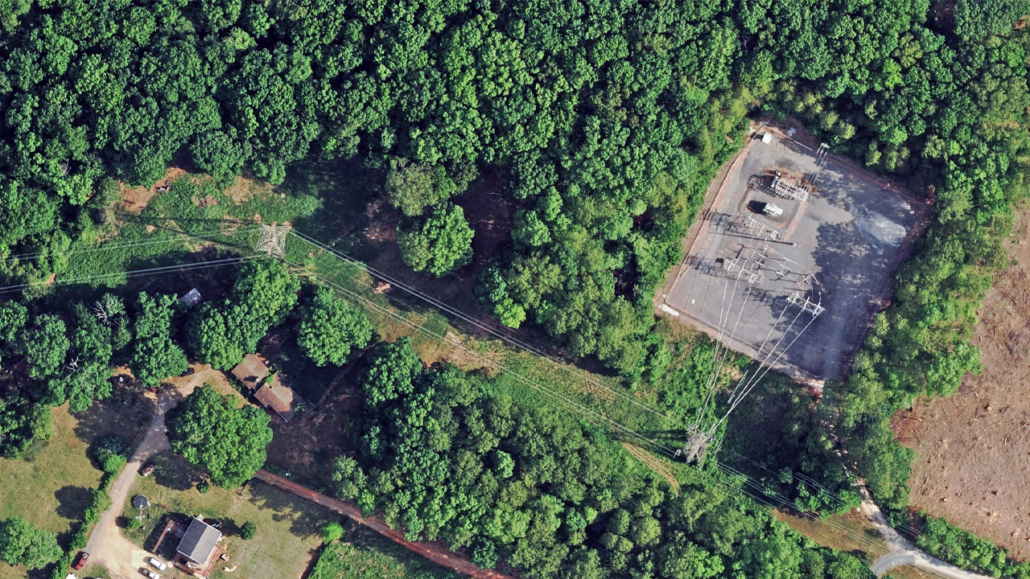
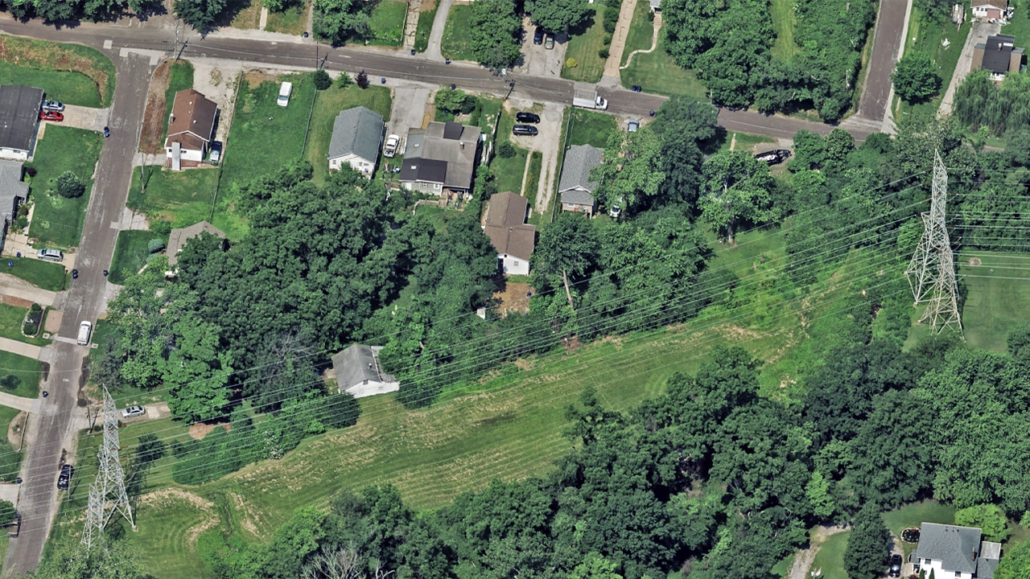
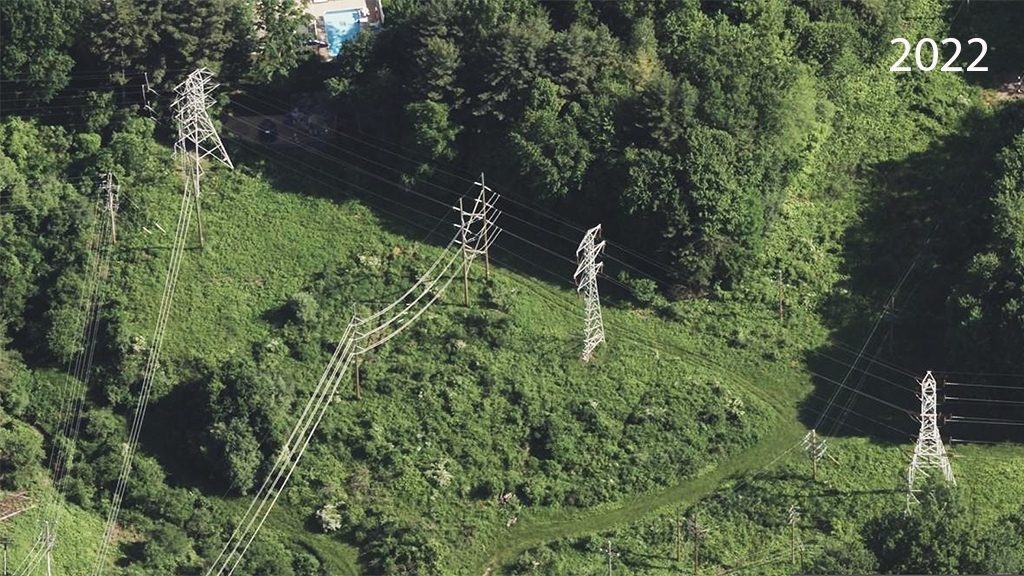
Below is a portfolio of imagery for both a rural and suburban area, highlighting the dates and visibility electric utility managers can use to strengthen compliance reporting and support regulatory transparency.
See Risk Early; Act Before it Escalates
Wildfire mitigation is no longer just an operations issue. It touches reliability, compliance, budgets, and public trust. As a utility manager or risk planner, there’s concern over trimming cycles, aging infrastructure, extreme weather, and the risk that one missed clearance issue could escalate fast.
Vexcel offers a clearer, more defensible view of a utilities vast system. Don’t guess what’s happening along corridors; verify it with detailed imagery. Document why a circuit was prioritized with clear imagery as proof.
Using Vexcel imagery and data is not just about seeing assets. It is about strengthening a position, operationally and legally, before pressure mounts. In a landscape where the cost of being unprepared can reach hundreds of millions of dollars, having reliable, nationwide, high-resolution insight is not a luxury. It is an advantage.