
The Tax Assessor’s Time Machine: How High-Res Imagery + AI Insights Shrink Backlogs
Your city changed over this last year. Did your tax rolls keep up? Discover how Vexcel data is helping ease backlogs and the appeals process.
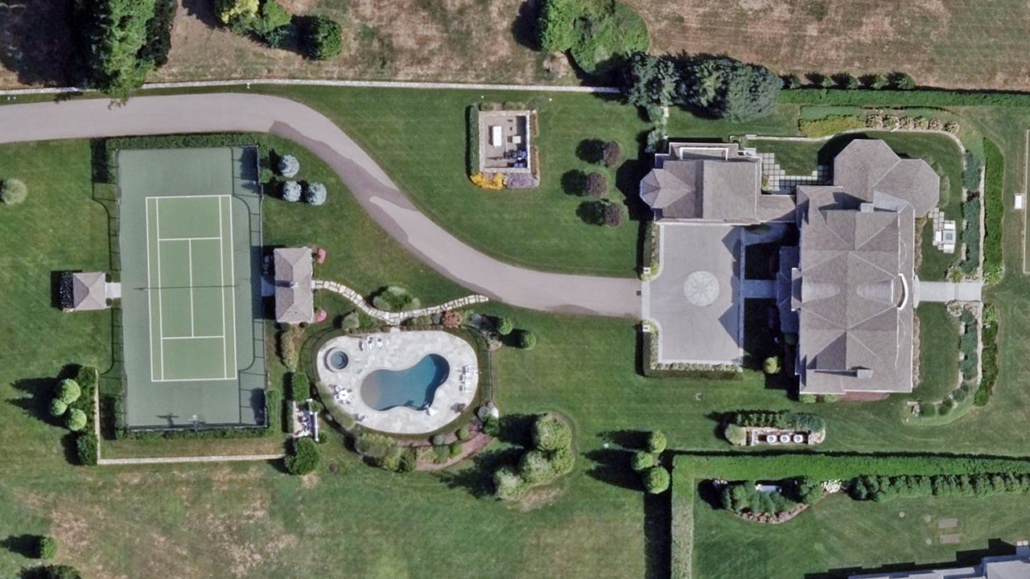
For tax assessors, every assessment cycle starts with the same goal: get it right. Fair valuations. Defensible decisions. Public trust intact. But change never stops as homes are improved quietly, or driveways are expanded and roofs are replaced. Some neighborhoods could undergo massive change between valuation cycles. And assessors? They are being asked to do more with less, whether it’s fewer staff or opportunities for field visits.
The strain on assessment offices is no longer theoretical. Across the country, appeal volumes are climbing to levels that overwhelm staff and slow revenue certainty. In San Francisco, assessment appeals surged from 1,417 filings in the 2019–2020 fiscal year to more than 8,000 in 2023–2024, with over 9,000 appeals already filed in their current cycle, forcing staffing expansions just to keep pace. In Davidson County, Tennessee, more than 15,000 appeals flooded the system in a single cycle following valuation increases, pushing hearings well into the following year.
When records lag behind the reality of change, assessors are left reacting instead of leading. The solution is not more manual effort. It’s better visibility, a way to look back in time to keep tax rolls up-to-date and be better prepared for the appeals process.
With Vexcel’s timestamped, regularly refreshed aerial imagery and AI-derived property insights, assessors can more readily identify and see change, verify it remotely, and better support their valuations with evidence that stands up to scrutiny.
Below are the most common pressures tax assessors face today and how Vexcel helps turn those challenges into clearer data, faster workflows, and greater confidence in every assessment to help reduce backlogs.
High-Resolution Imagery Turns Time Into Context
Access to high-res imagery can significantly impact how an assessor experiences time. How?
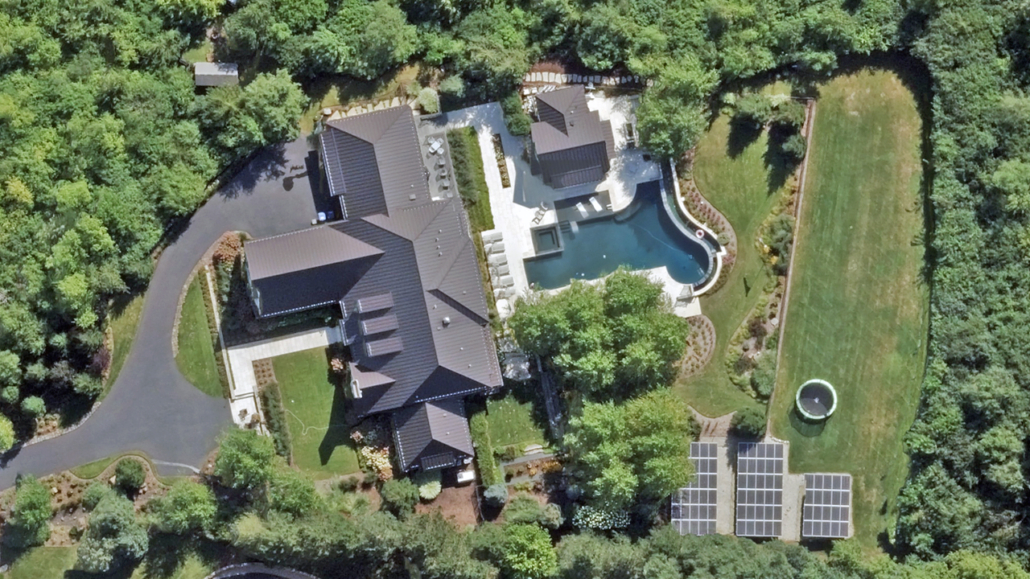
With ortho imagery and oblique views, assessors gain a clear, parcel-level understanding of property conditions. Ortho views deliver accurate overhead context, while oblique imagery reveals building sides, roof geometry, additions, and site improvements that are often invisible from straight-down views.
Together, these complementary perspectives give assessors a more complete, defensible understanding of what exists on the ground, reducing reliance on permits, disclosures, and manual inspections to verify physical change. It helps speed up the process of property valuations by providing visibility into what exists without needing an on-site visit.

Ortho view of property in Maryland

Oblique north view of property in Maryland

Oblique south view of property in Maryland

Oblique west view of property in Maryland

Oblique east view of property in Maryland
Frequency Eliminates Guesswork
Seeing a property once provides context. Seeing it multiple times a year provides certainty.
In many urban and suburban areas in the U.S., Vexcel collects imagery up to three times per year, giving assessors a clear, current view of change within a single assessment cycle. These frequent collections turn imagery into a reliable timeline, not just a snapshot.
Incremental changes such as expanded hardscapes, roof replacements, and new structures become easy to identify when viewed across collections. Instead of waiting for permits, complaints, or appeals, assessors can see development and improvement as it happens.
The result is fewer surprises at notice time, fewer follow-ups, and better alignment between the tax roll and reality. Frequency compresses the discovery phase of assessment and replaces guesswork with detailed imagery.
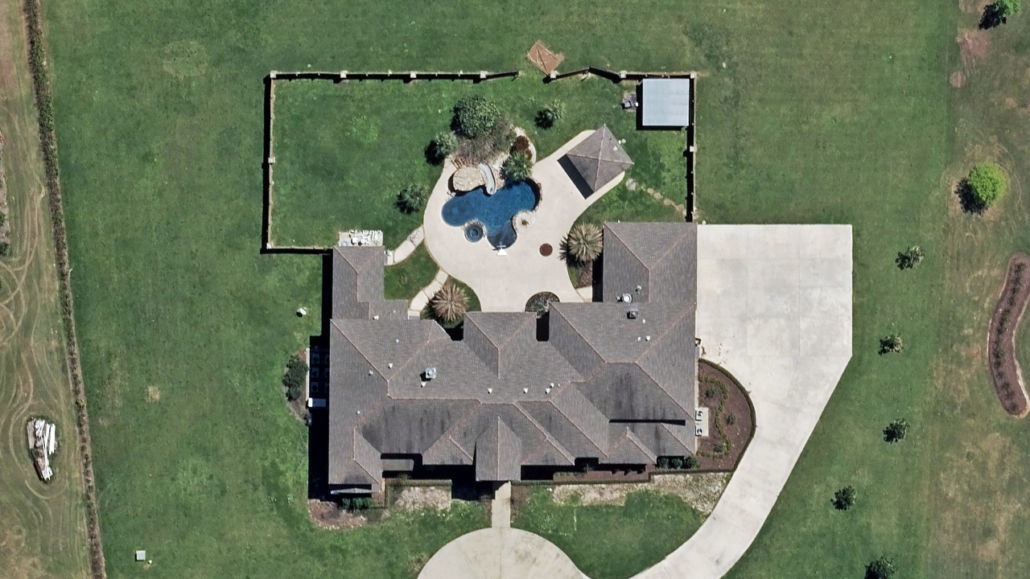
Property in Baton Rouge, LA
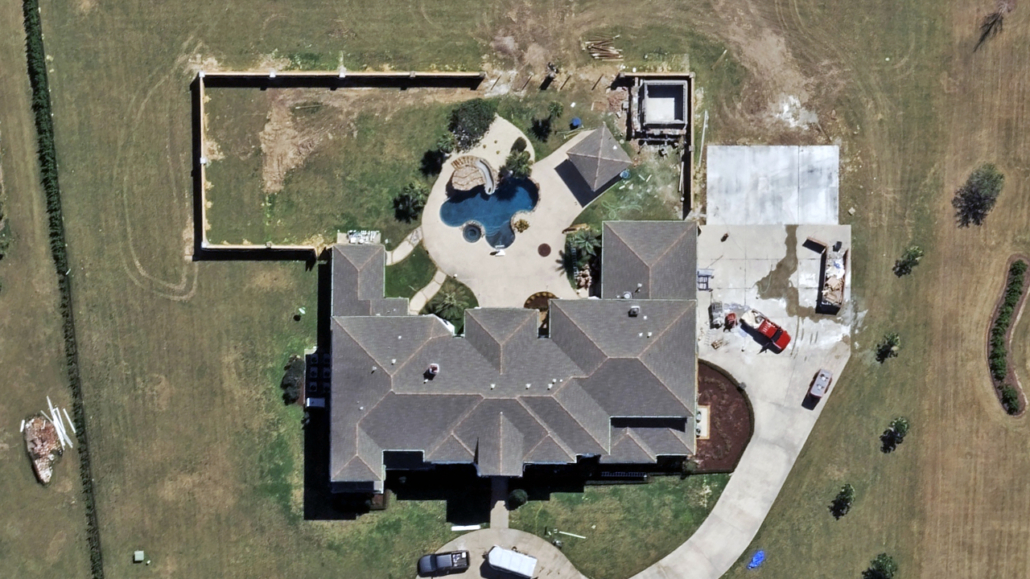
Property change detected / expansion of hardscapes
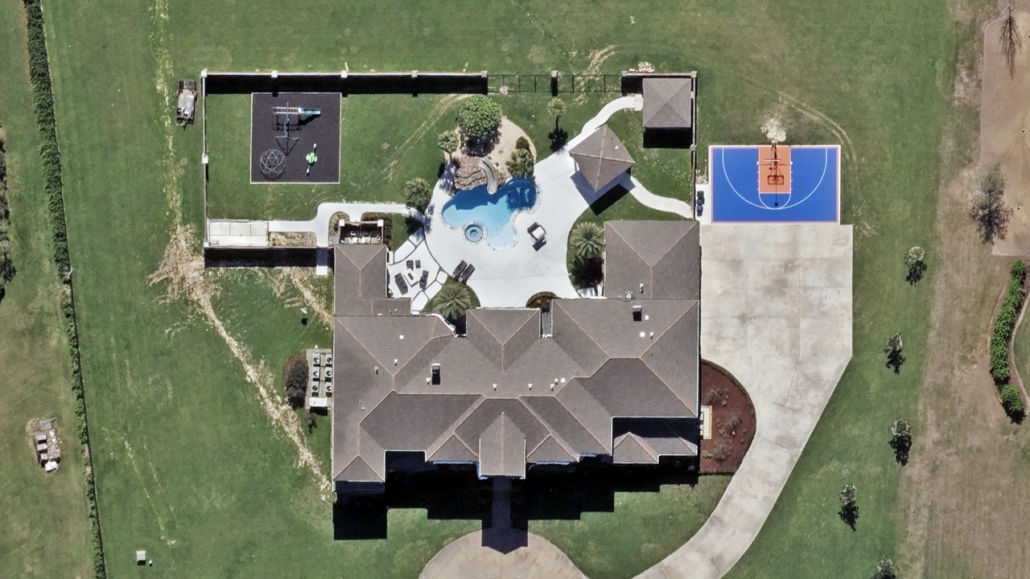
Property change finished / new sport court, playground, etc.
AI Insights Turn Images Into Action
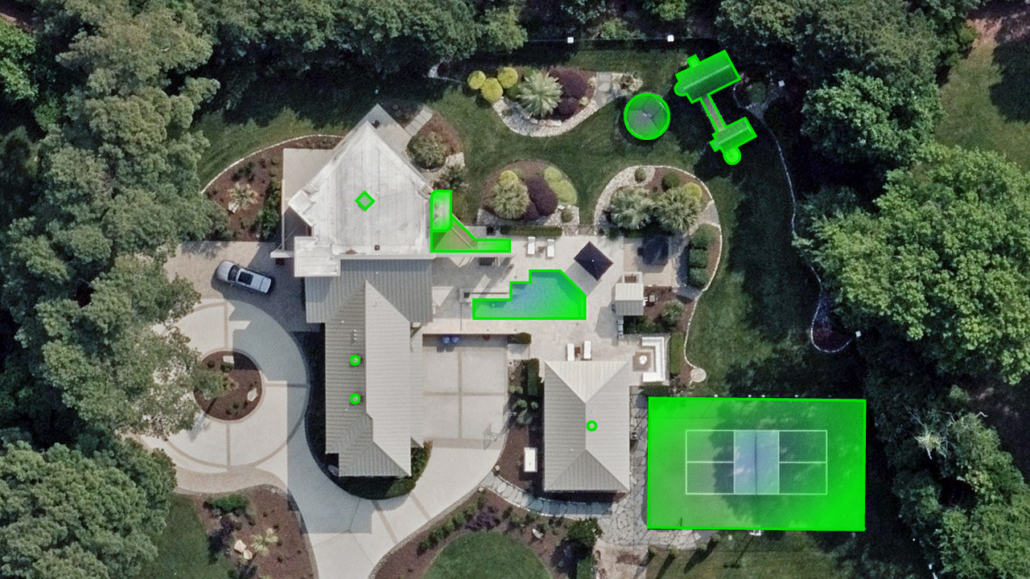
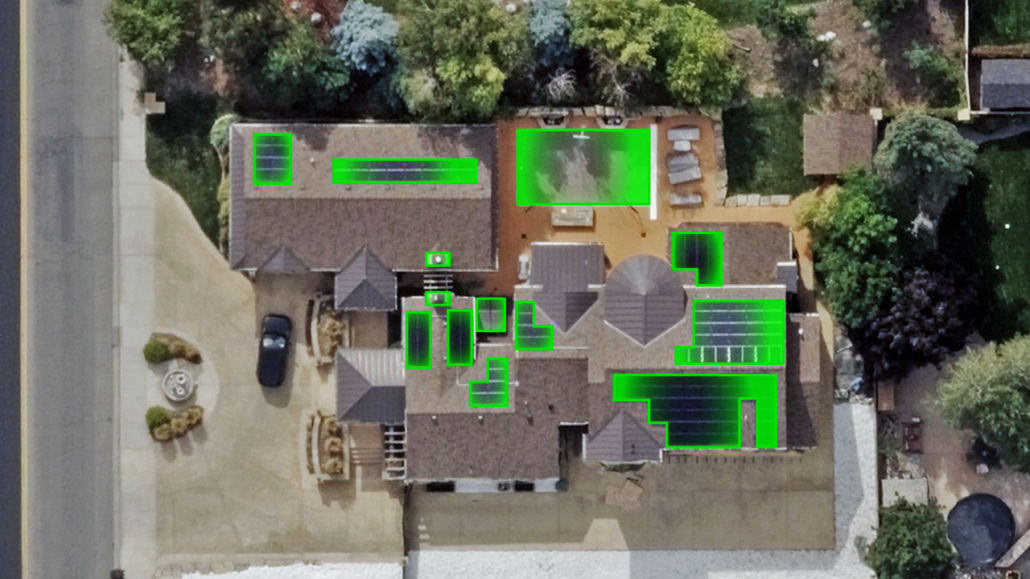
While imagery delivers visibility, AI delivers understanding at scale. Vexcel’s Elements AI analyzes our high-res imagery to identify and extract 40+ property attributes that directly influence assessed value. Some of the included attributes include roof characteristics, pools, sports courts, playgrounds, hardscapes, secondary structures, and more.
Instead of relying on manual review or selective field inspections, assessors can use Elements AI to pinpoint exactly where meaningful change has occurred across an entire jurisdiction. AI-derived attributes create a structured, searchable layer of property intelligence, allowing teams to quickly identify parcels that warrant review and ignore those that do not.
The impact becomes clear at scale. For instance, we recently shared a story about identifying hardscapes on more than 10,000 residential properties in Livingston, New Jersey. These types of features can influence property value but can often go unrecorded until an inspection or appeal forces a correction.
Elements AI transforms imagery into scalable property intelligence, reducing discovery time and enabling faster, more defensible assessments.


Backlogs Shrink When Accuracy Comes First
High-resolution imagery and AI insights do not replace assessors. They change how assessors manage time. Instead of reconstructing property history after appeals surge, assessors can see change as it happens. Instead of reacting to disputes, they can prevent many of them. And instead of managing backlogs, they can keep the tax roll aligned with the real world.