Elements AI
Property & Building Attributes
Elements AI identifies property and building features from high-resolution aerial imagery. Precomputed datasets are ready to use today.

Elements AI identifies property and building features from high-resolution aerial imagery. Precomputed datasets are ready to use today.
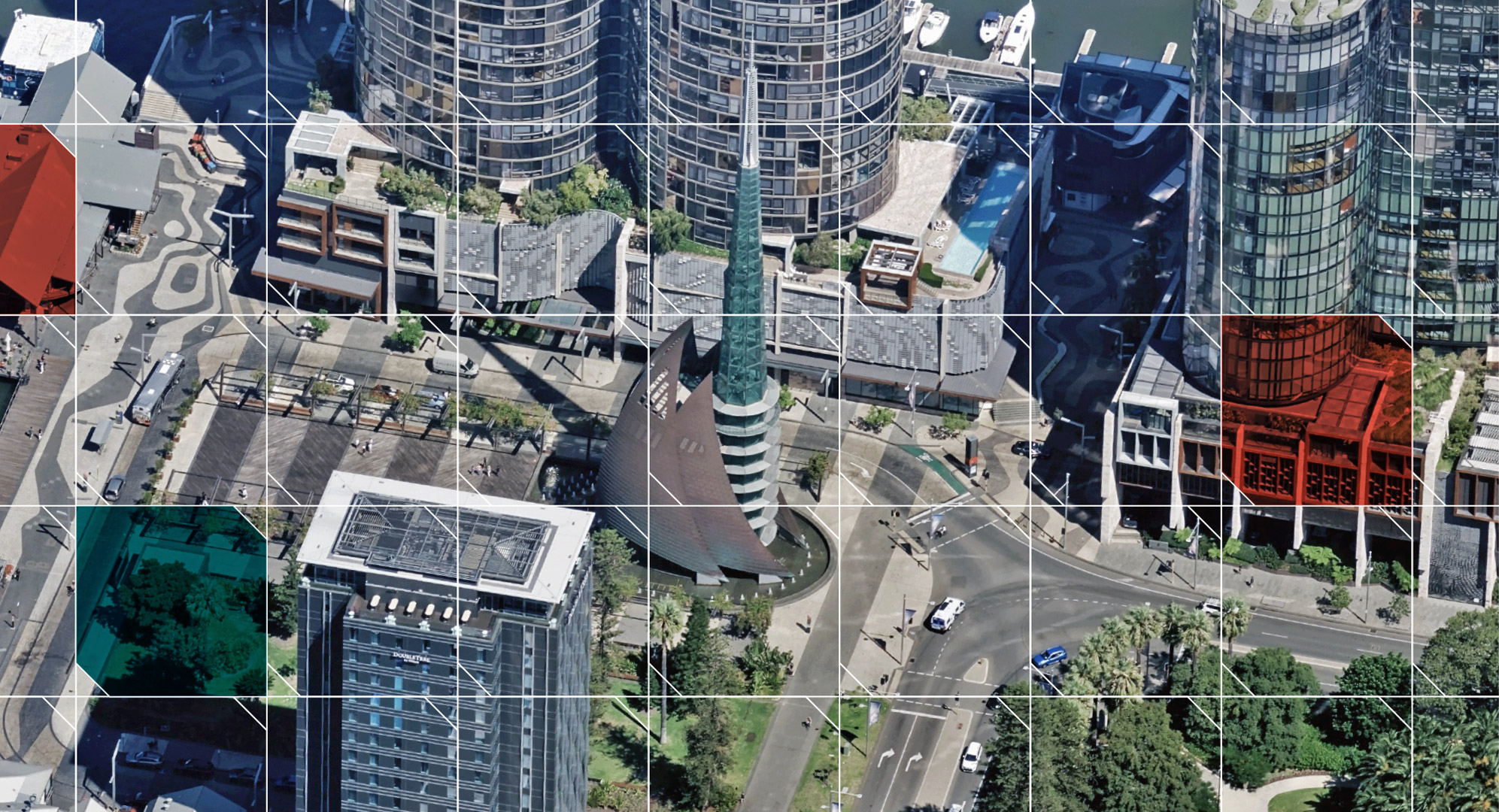
Elements AI uses AI and machine learning to identify building and property features and geometry from high-resolution aerial imagery. Vexcel imagery is published at 7.5-15cm, meets strict accuracy standards, and delivers higher resolution imagery than satellite and wider coverage than drone programs. Elements AI provides details at scale across millions of properties.
Elements AI delivers property-level data that supports how organizations assess risk, plan, and operate across buildings and land.
Leading insurtechs and property tech companies rely on this data to stay current, reduce costs, and make faster decisions.
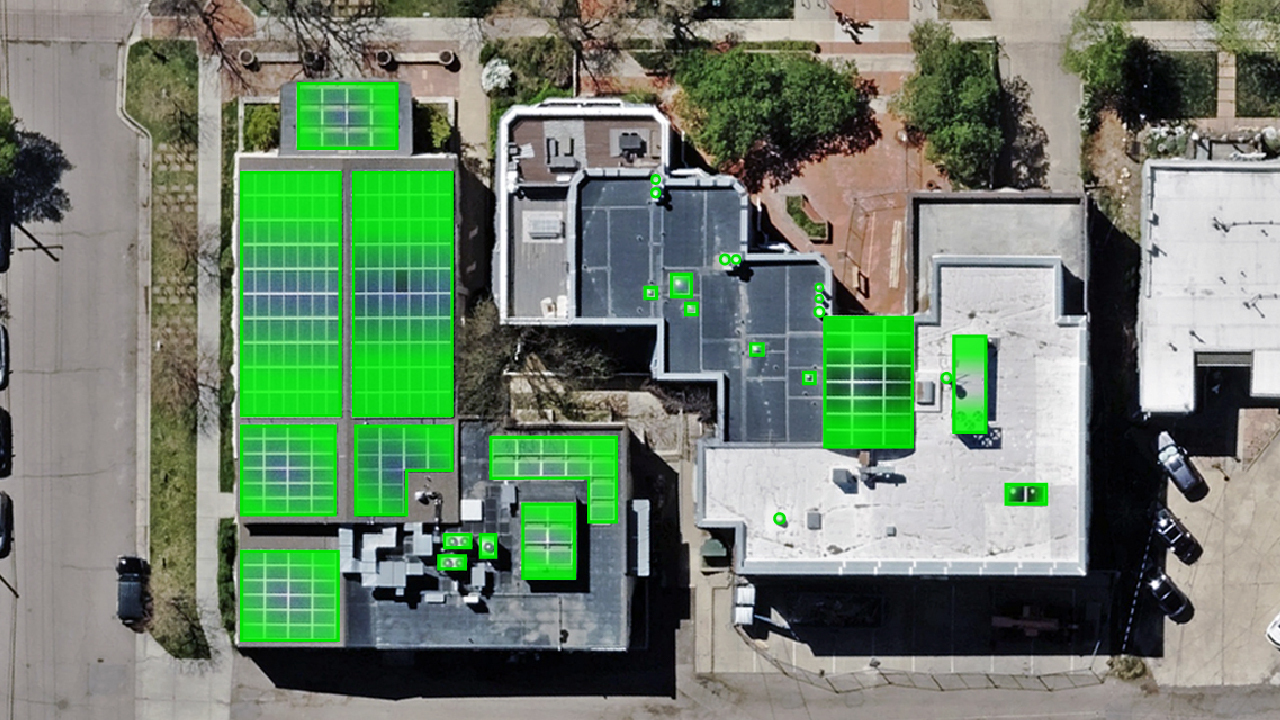
Insurance: Assess property risk, support underwriting, and review claims
Government: Manage property and tax records, support planning
Utilities: Understand structures for asset and growth planning
Real estate: Analyze property details across portfolios and markets
Solar: Identify, plan, and measure rooftops
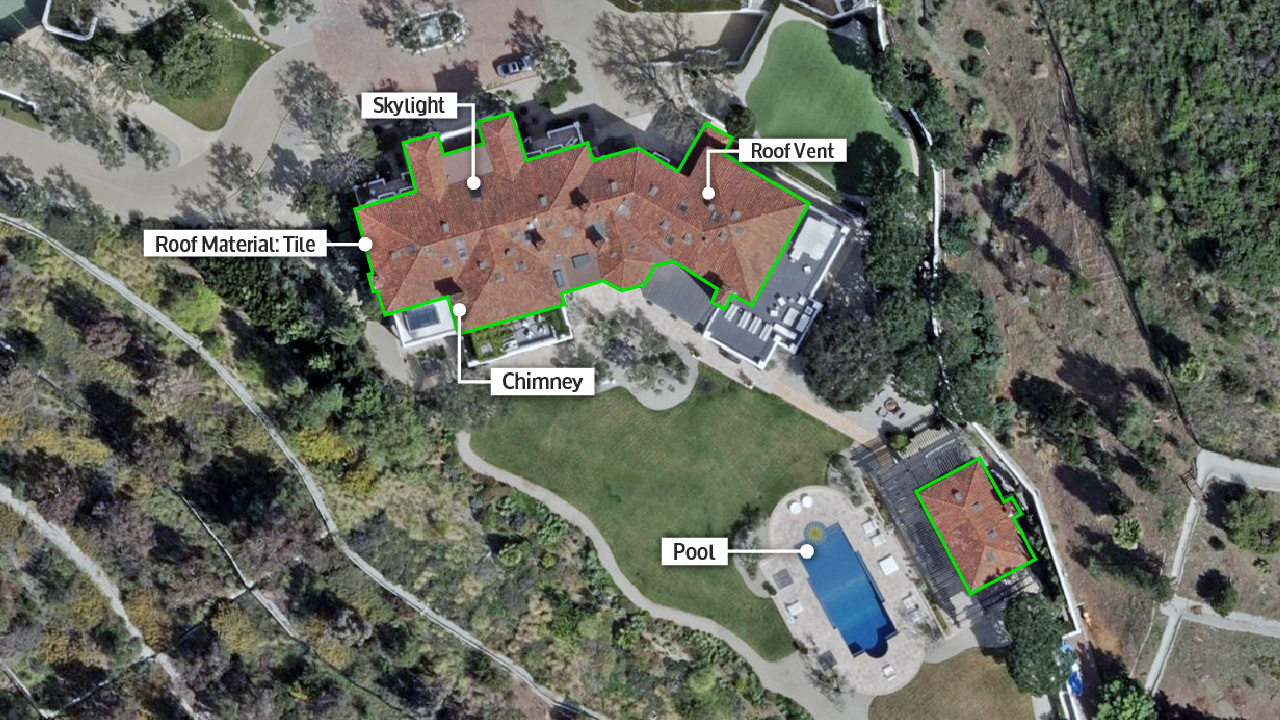
Roofing: Inspect roof condition, material, and features for estimates
Elements AI extracts a wide range of attributes across millions of residential and commercial properties. Each attribute is tied to timestamped imagery and location, showing property conditions at a specific point in time. More than 40 attributes covered, including:
Building Features: Building footprint polygon, footprint area, ground elevation
Roof Features: Roof elevation, roof height, roof condition, roof centroid location, roof material, roof shape, roof solar, roof discoloration (algae, vent, water staining), tree cover over roof, air conditioning units, chimneys, satellite dishes, roof vents, skylights
Property Features: Primary structure, parcel geometry, playground, sports court, trampoline, enclosure, hardscapes (area), deck (area), hot tub (area), pool (type, surface area), water slide, diving board, vehicles (automotive, boat), parcel tree cover, defensible space
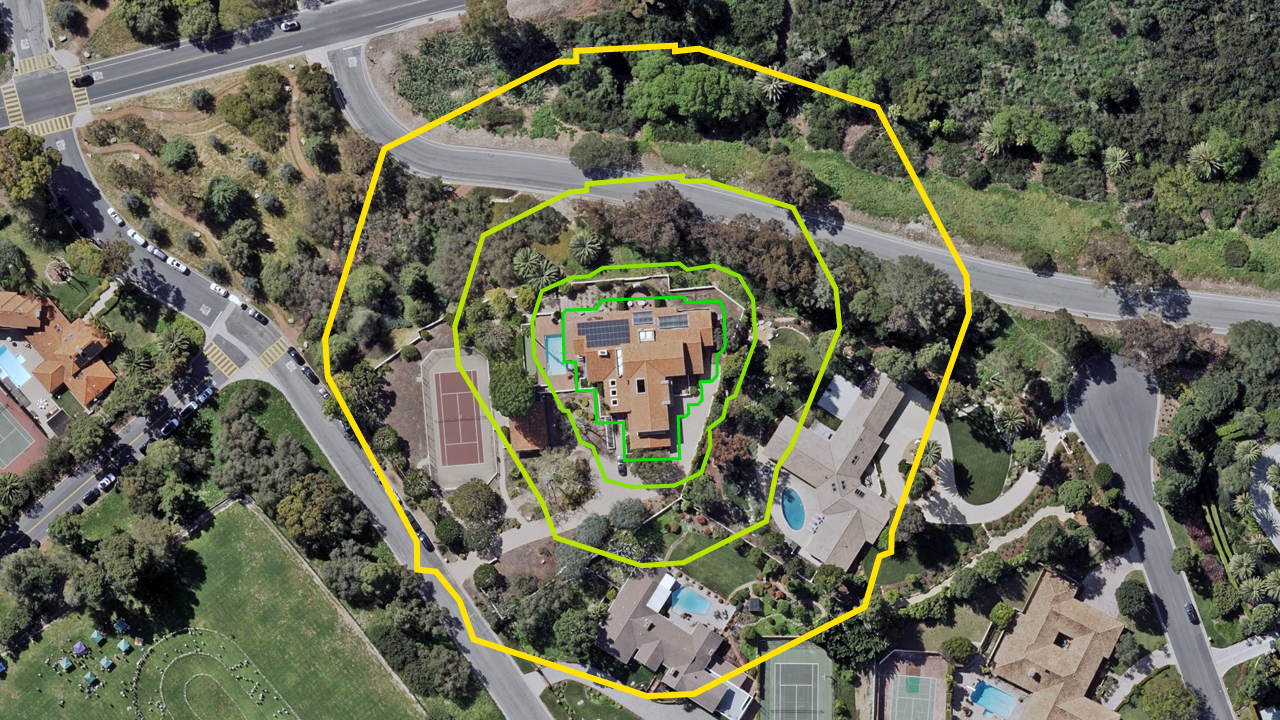
See how trees and nearby structures are distributed around the building footprint across four buffer zones (5, 30, 100, and 200 feet), including the percentage of coverage in each zone.
This supports defensible space analysis, wildfire risk assessment, and mitigation planning.
AI-derived property and building data packs are precomputed as imagery is published across urban and rural areas in the contiguous United States (Lower 48), cities in Hawaii, and urban areas in Australia. Contact us to discuss attribute options in the 40+ countries and territories where imagery is collected.
Delivery options include data files, property reports (PDF), select partner sites, and through the Vexcel Platform (Viewer and APIs).
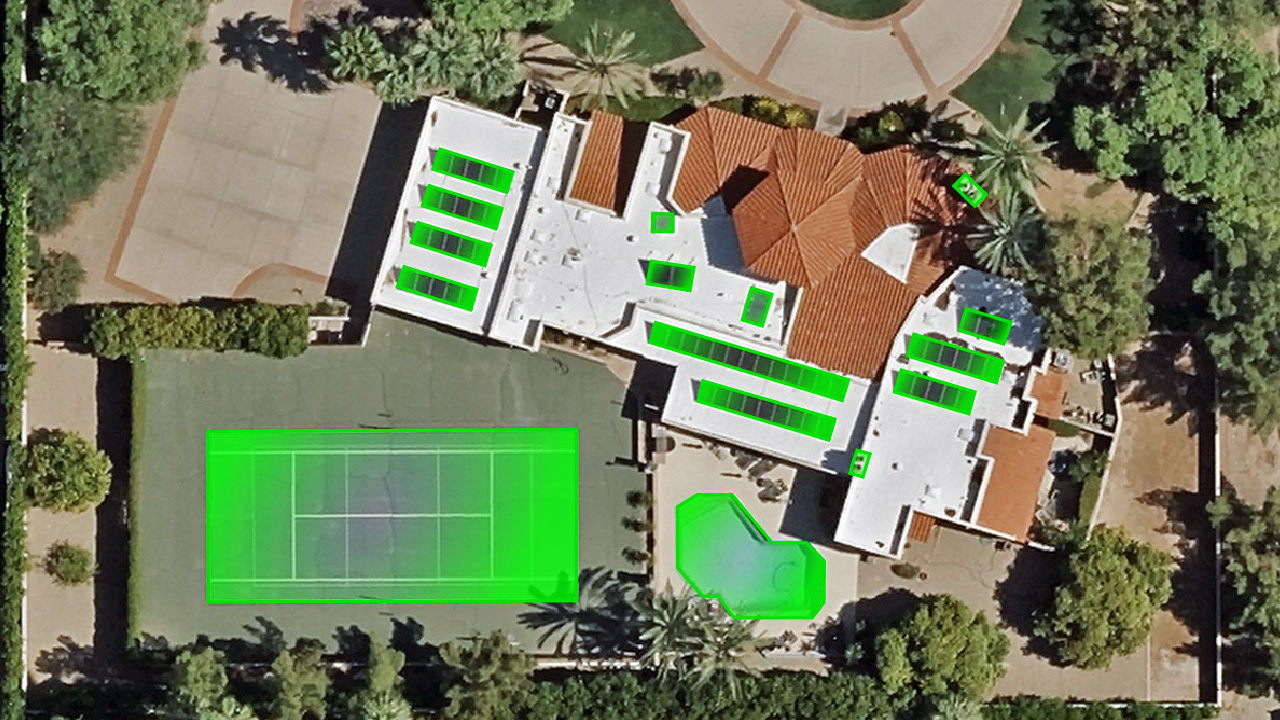
Elements AI focuses on pre-defined property and building attributes using segmentation and feature extraction models.
For other property insights, Vexcel Intelligence supports semantic search and embeddings to query imagery for additional features, patterns, and situational understanding.
Q: How does Elements AI compare to satellite or drone data?
Vexcel Elements AI uses aerial imagery captured at 7.5–15cm resolution, providing more detail than satellite imagery. This level of detail allows Vexcel to extract property and building attributes reliably across large areas.
Vexcel aerial imagery is collected at scale with consistent coverage and production standards, scaling far beyond drone programs.
Q: Can Elements AI replace manual property inspections?
Vexcel Elements AI reduces the time and need for manual image review by providing precomputed property and building attributes derived from aerial imagery. Many workflows such as underwriting, planning, tax assessment, and portfolio analysis can be completed using this data, while field inspections may still be used for validation in specific cases.
Q: How is imagery-derived property data different from other datasets?
Vexcel Elements AI extracts property data directly from its own high-resolution aerial imagery, capturing both the presence and geometry of real-world features. Unlike aggregated or third-party datasets, Vexcel data reflects actual property conditions at a specific point in time and is tied to an exact location. The vector data can also be verified against the underlying source imagery.
Q: How do teams use Elements AI in real workflows?
Both the private and public sectors use Vexcel Elements AI to assess property risk, review claims, and analyze properties at scale. Vexcel delivers this data as data files, PDF reports, and API calls, making it easy to integrate into underwriting systems, GIS platforms, and internal workflows.
Q: How often is Elements AI data updated?
Vexcel Elements AI is updated as new aerial imagery is collected and processed. Each attribute is tied to timestamped imagery, allowing teams to understand property conditions at a specific point in time and track changes as new Vexcel imagery becomes available.
Q: How are property and building attributes pulled from aerial imagery?
Property and building attributes are features and polygons extracted from aerial imagery, such as building footprints, roof characteristics, materials, and surrounding property features. Vexcel Elements AI uses tested and verified AI and machine learning to identify these attributes and deliver structured data about real-world properties.


Large-format UltraCam cameras & sensors.
vexcel-imaging.com

Aerial surveys by fixed-wing aircraft.
kasurveys.com

Aerial imagery and data for government and business.
vexceldata.com