High Resolution
Oblique Imagery
See properties and ground features from multiple sides. Detailed obliques available for cities in 35+ countries.

See properties and ground features from multiple sides. Detailed obliques available for cities in 35+ countries.
Vexcel’s oblique imagery is captured at a 45-degree angle, offering a new perspective for professionals who need to view buildings and ground features from the side. With views from all four cardinal directions, it supports accurate measurement, modeling, and visual analysis.
The 7.5cm resolution imagery is available for cities and metro areas in 35+ countries. It’s refreshed regularly and reveals details not visible in top-down or street-level imagery.
Oblique imagery starts with the right equipment. Vexcel uses fixed-wing aircraft equipped with its own UltraCam Osprey, a market-leading sensor that captures both nadir and four directional oblique views.
Each sensor is calibrated for photogrammetry-grade accuracy. Every flight follows strict specifications, including optimized flight and imagery overlaps, ideal sun angle, and clear-sky conditions, to name a few.
The result is consistent, high-resolution oblique imagery across thousands of cities.
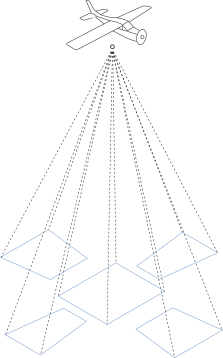
Vexcel’s oblique imagery provides side-angle views that support deeper visual analysis and more informed decisions across industries, including insurance, tax assessment, public safety, planning, and infrastructure. Some examples:
Oblique imagery gives you a new way to look at properties from the north, east, south, and west. You can see what’s hiding behind trees or between buildings and get a more complete understanding of a location.
Whether you’re checking for additions, verifying improvements, or confirming property details, oblique views help tell the full story.
And with regular refreshes and access to past imagery, you can track changes over time or compare before-and-after conditions with confidence.
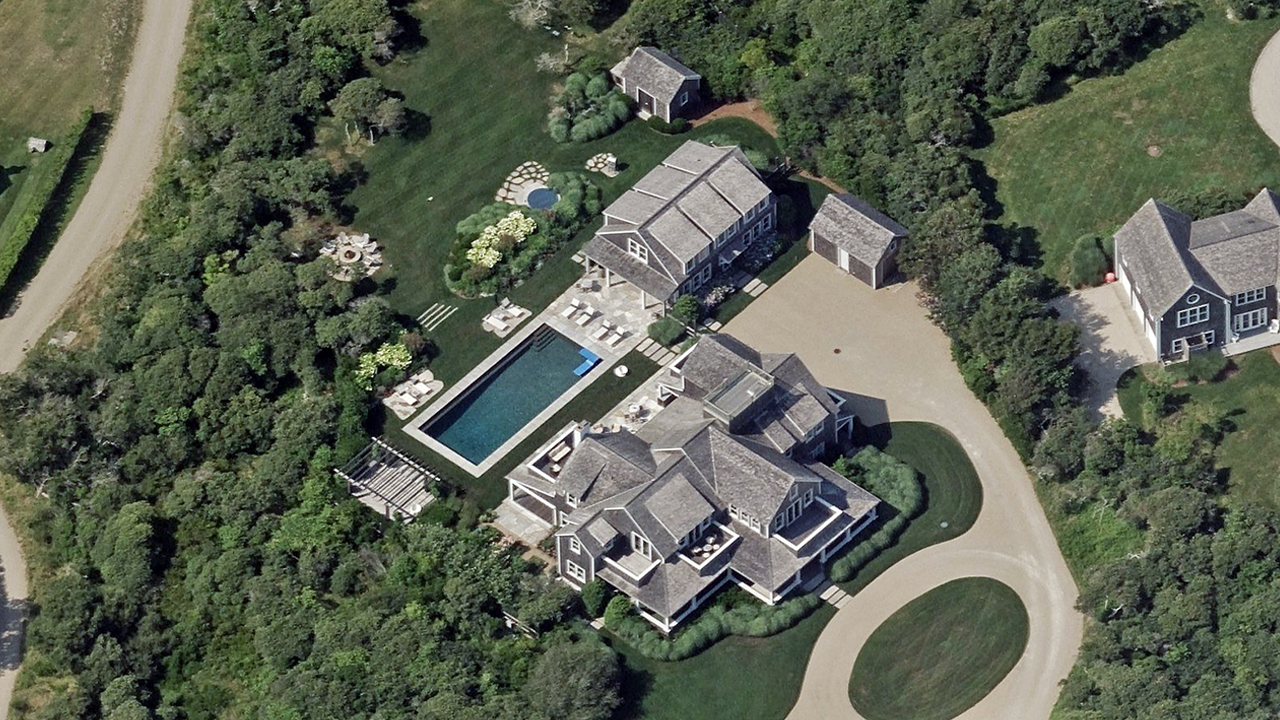
Oblique imagery gives you a new way to look at properties from the north, east, south, and west. You can see what’s hiding behind trees or between buildings and get a more complete understanding of a location.
Whether you’re checking for additions, verifying improvements, or confirming property details, oblique views help tell the full story.
And with regular refreshes and access to past imagery, you can track changes over time or compare before-and-after conditions with confidence.
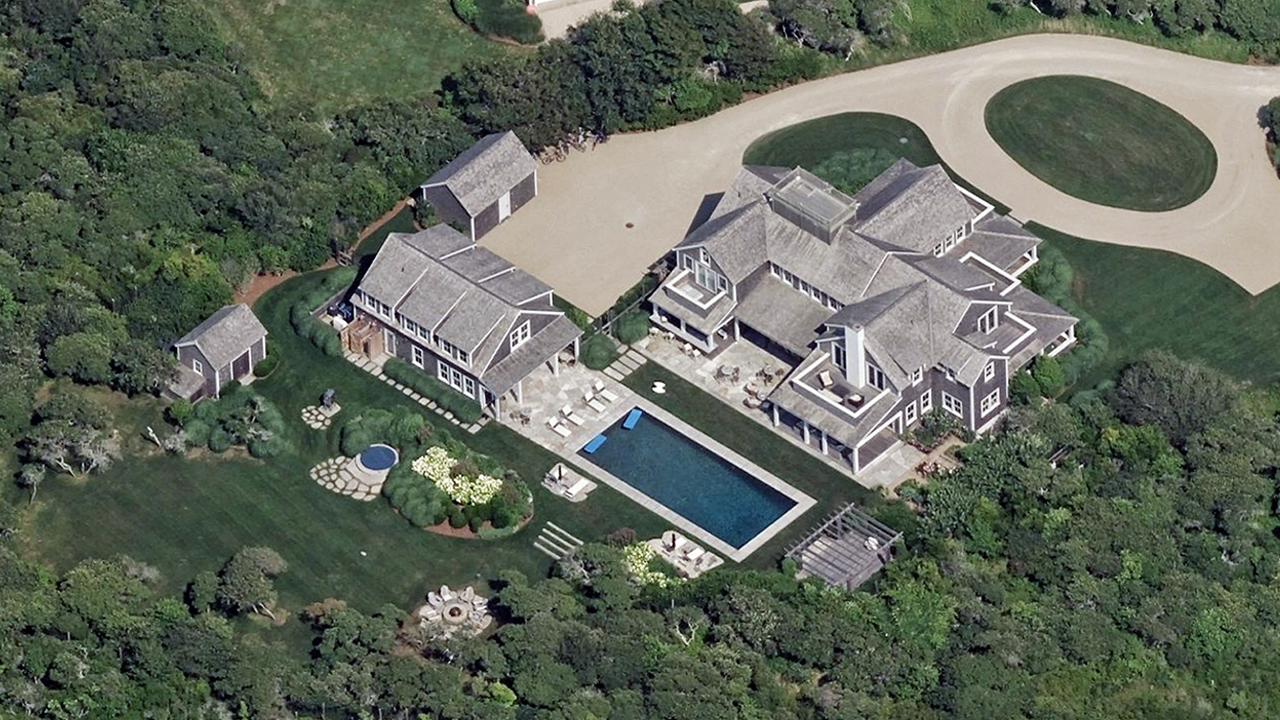
Oblique imagery gives you a new way to look at properties from the north, east, south, and west. You can see what’s hiding behind trees or between buildings and get a more complete understanding of a location.
Whether you’re checking for additions, verifying improvements, or confirming property details, oblique views help tell the full story.
And with regular refreshes and access to past imagery, you can track changes over time or compare before-and-after conditions with confidence.
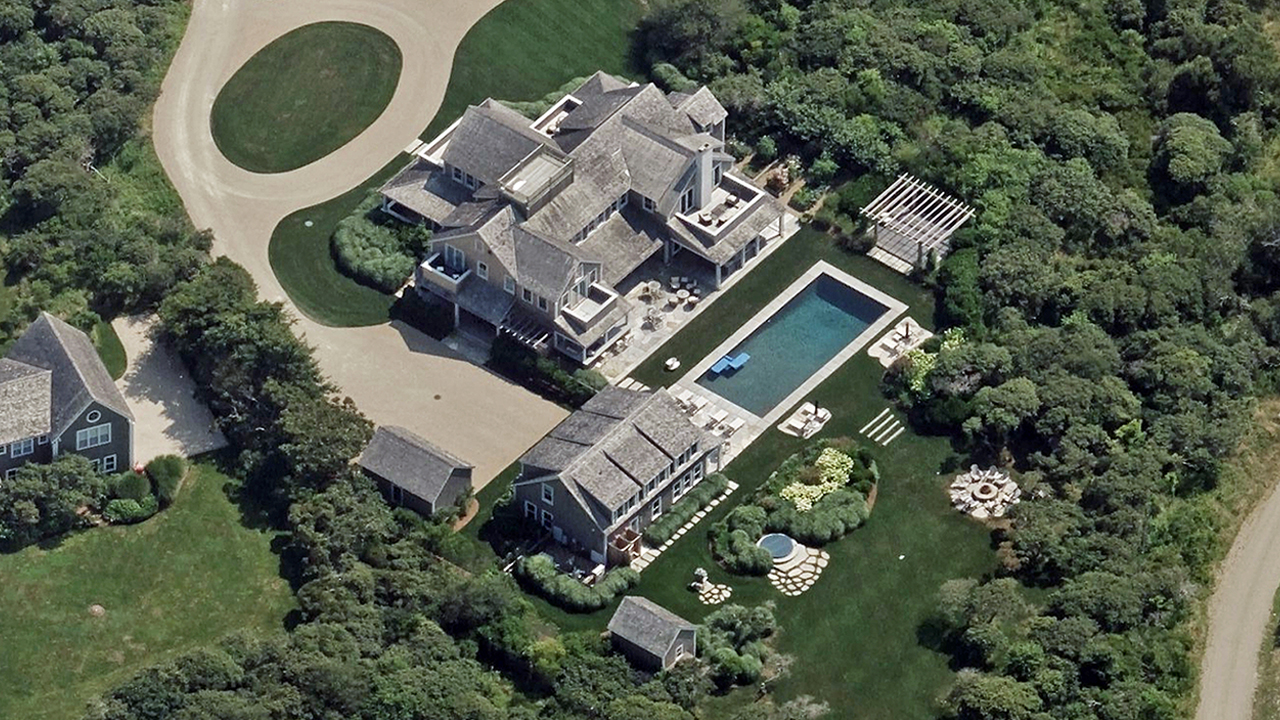
Oblique imagery gives you a new way to look at properties from the north, east, south, and west. You can see what’s hiding behind trees or between buildings and get a more complete understanding of a location.
Whether you’re checking for additions, verifying improvements, or confirming property details, oblique views help tell the full story.
And with regular refreshes and access to past imagery, you can track changes over time or compare before-and-after conditions with confidence.
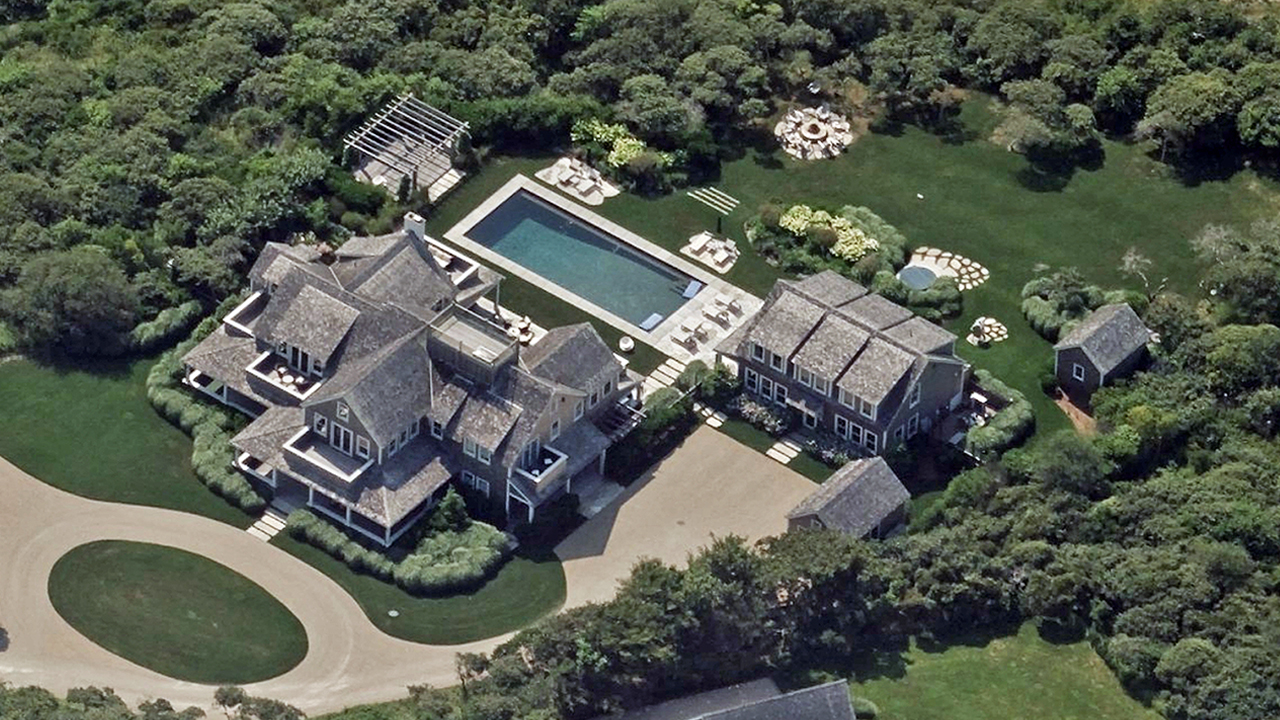
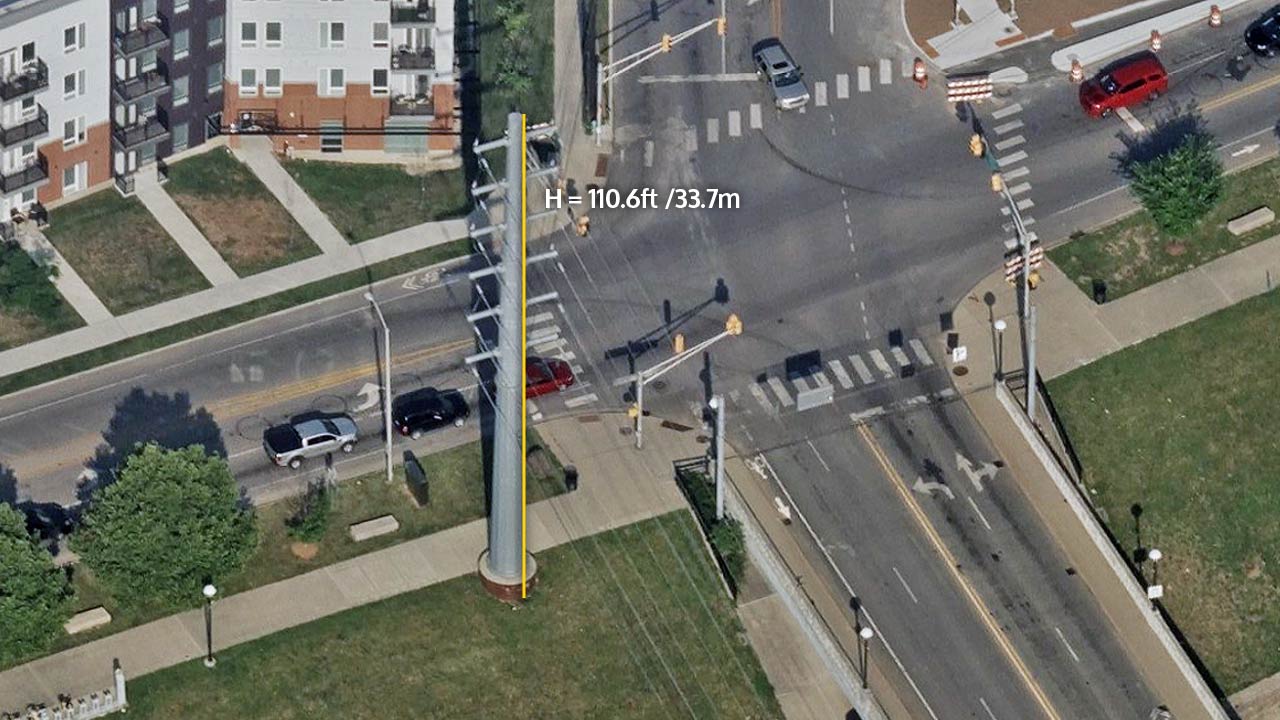
Oblique imagery lets you measure the height of utility poles, buildings, and more from multiple angles without going on-site. Use it for remote inspections, zoning checks, and more.
During processing, Vexcel’s imagery is aligned to survey-grade ground control points and meets ASPRS accuracy standards.
In an emergency, every angle counts. Obliques help responders and planners see around buildings, spot access points, and understand what’s really on the ground.

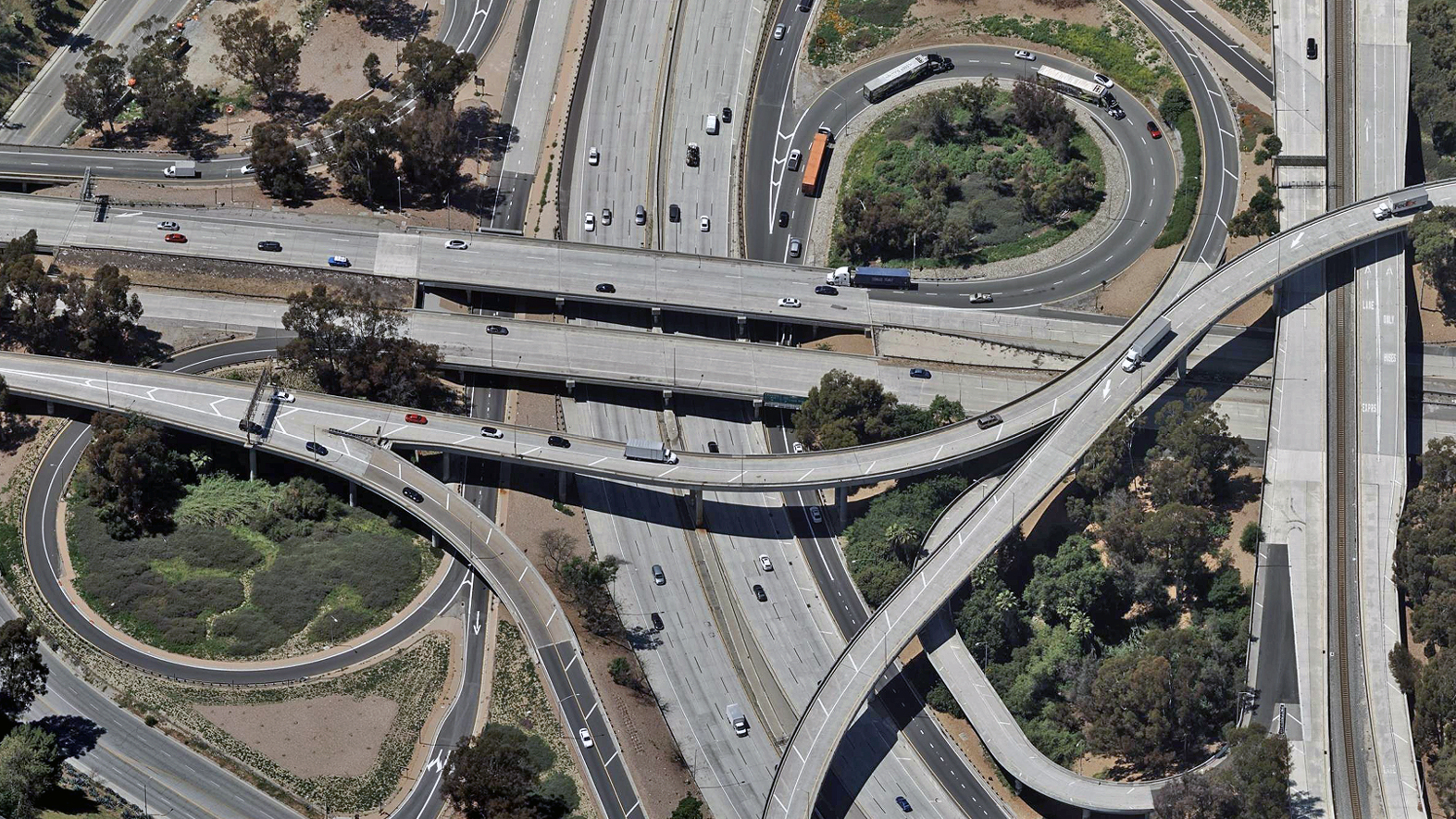
When you’re planning or building, context matters. Oblique imagery helps you see how structures relate to their surroundings such as setbacks, building heights, and roads. You get the kind of detail that makes zoning decisions, infrastructure planning, and road assessments easier and more informed.
Vexcel publishes obliques at a consistent 7.5cm resolution. So whether you’re working on projects locally or in multiple cities, you get the same clarity and accuracy across the imagery library.
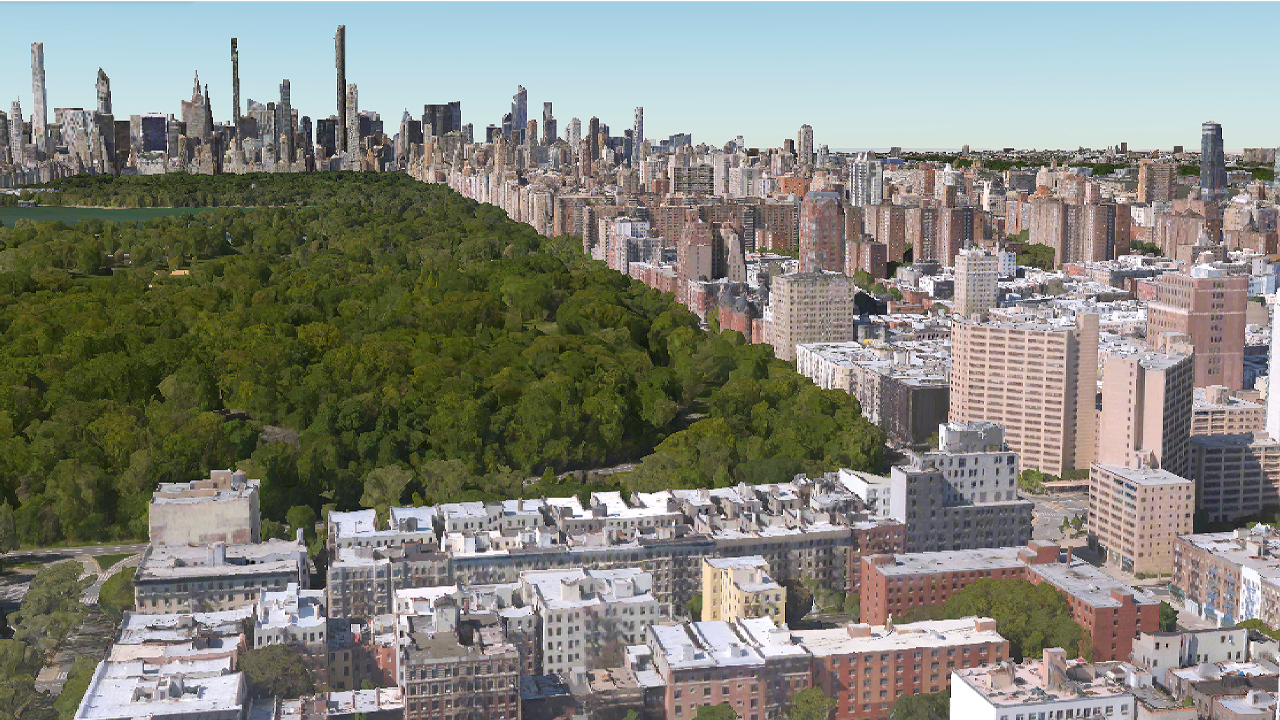
Oblique imagery plays a key role in building accurate 3D models. Combined with Vexcel’s nadir imagery, DSMs, and other data, it supports textured meshes, digital twins, and immersive visual tools.
These raw ingredients are available for cities across the globe and are ready to support planning, design, and simulation at scale.
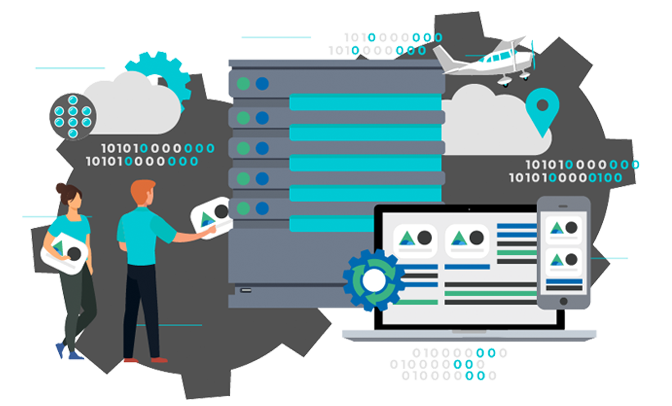
Bring oblique imagery where you need it. The Vexcel Platform provides APIs, SDKs, and other services, making it easy to integrate with your in-house and partner applications (like Esri).
Q: What is oblique imagery?
Vexcel’s oblique imagery captures the world from multiple angled views rather than only straight down. Vexcel Obliques are collected with the UltraCam Osprey sensor at a 45-degree angle from north, east, south, and west views, providing detailed perspectives of buildings, rooftops, facades, infrastructure, and surrounding environments. Vexcel Obliques can also be used for measurements and real-world analysis and are available for more than 15,000 cities across the globe.
Q: What is the difference between oblique imagery and orthomosaic imagery?
Vexcel Obliques capture buildings and infrastructure from angled views, making it easier to see the sides of structures, vertical features, and surrounding context. Vexcel ortho imagery provides a corrected top-down view designed for mapping and broad-area analysis. Both can be used to review rooftops and property conditions. Together, along with Vexcel datasets, they can also be used to build 3D models.
Q: When should you use oblique imagery versus ortho imagery?
Vexcel Obliques are best when users need to visually inspect and measure structures, facades, rooftops, towers, bridges, or infrastructure from multiple viewing angles. Vexcel ortho imagery is best for top-down mapping, parcel review, land analysis, and broad-area measurements. Many organizations use both together to combine accurate mapping with detailed visual context and side-angle perspectives.
Q: How is oblique imagery used across industries?


Large-format UltraCam cameras & sensors.
vexcel-imaging.com

Aerial surveys by fixed-wing aircraft.
kasurveys.com

Aerial imagery and data for government and business.
vexceldata.com