
The Underwriting Bottleneck: What’s True About This Property
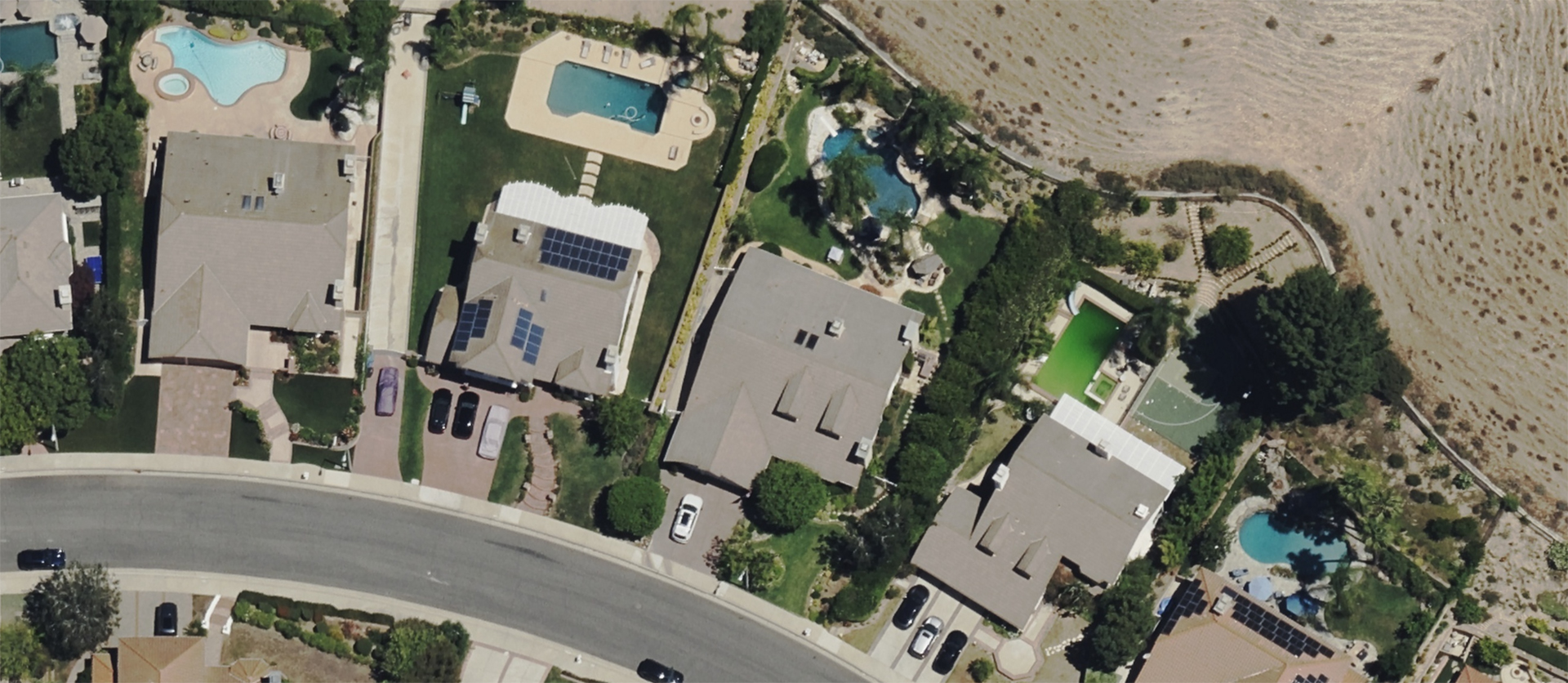
Underwriters don’t need more data. They need the truth. In the property and casualty world, this productivity problem usually starts with a simple question: What’s actually true about this property right now?
Applications say one thing. Third-party records could say another. Inspections take time and every delay slows down quoting, binding, and renewals.
What solves that dynamic? High-resolution aerial imagery. It gives underwriters a detailed, verifiable view of the property in question so decisions can move faster and with more confidence.
Reducing the friction of verification
Most underwriting friction comes from property detail gaps:
- Is the roof truly in “good condition”?
- How close is vegetation to the structure?
- Are there unlisted outbuildings?
- Is there a trampoline, pool, or roof-mounted solar?
- Has the property materially changed since last renewal?
Instead of chasing photos or ordering inspections, high-res aerial imagery allows underwriters to validate these elements in minutes.
A recent article from Digital Insurance highlighted how insurers are increasingly relying on aerial imagery to support better underwriting and more appropriately price risk by understanding how imagery reveals property characteristics. The impact from using imagery is clear: fewer unnecessary inspections, faster triage, and more focused follow-ups only when risk indicators appear.
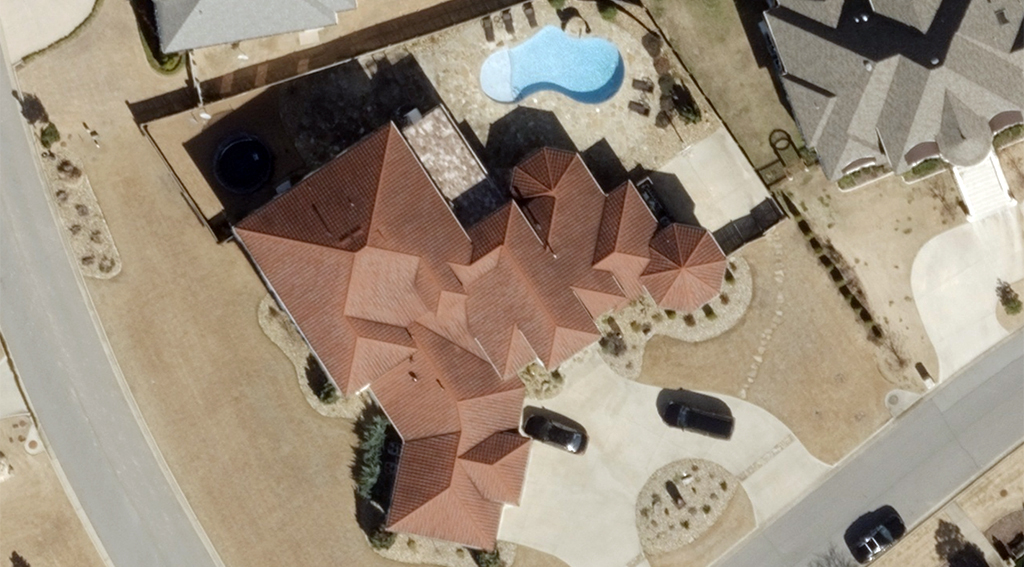
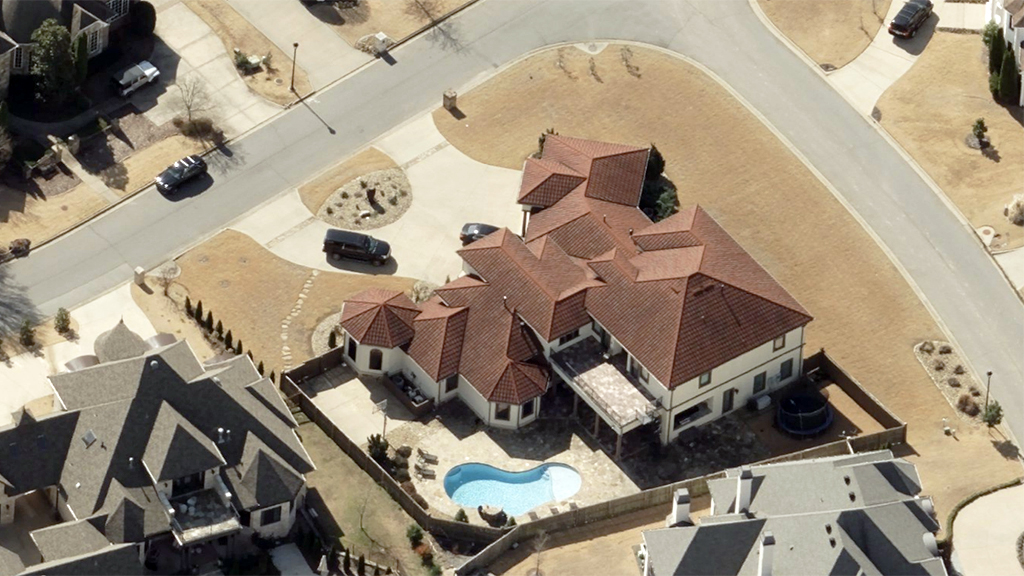
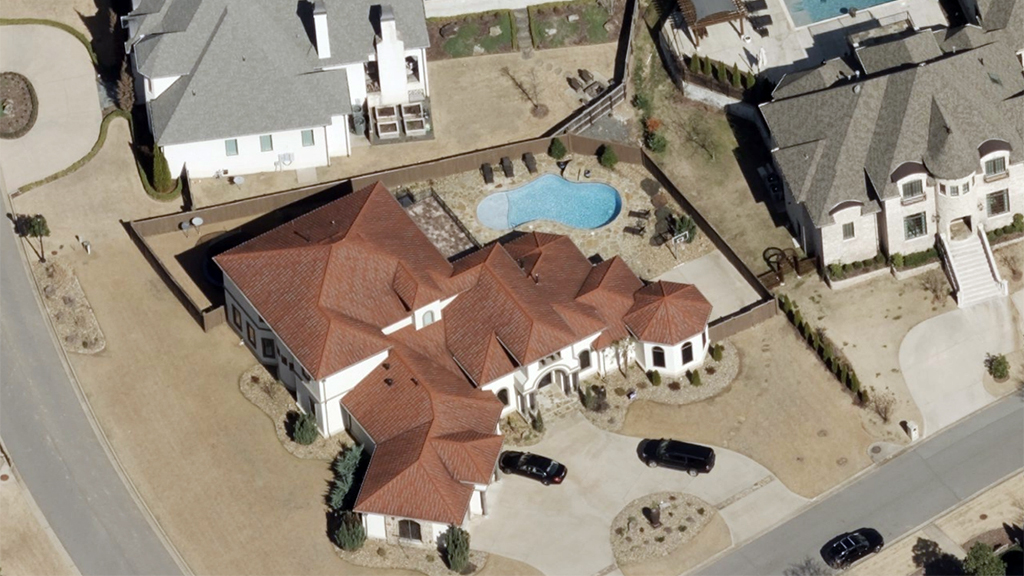
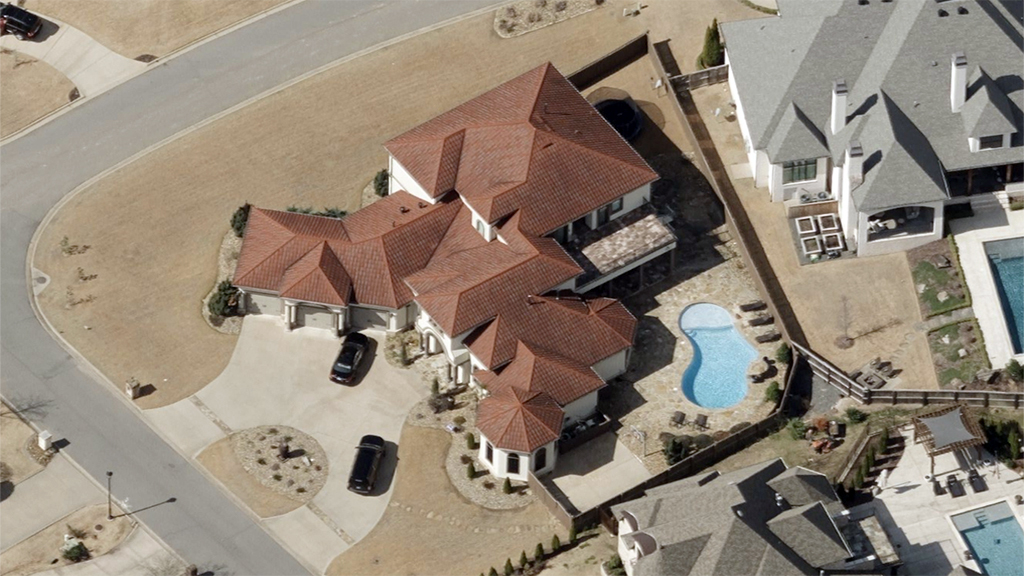
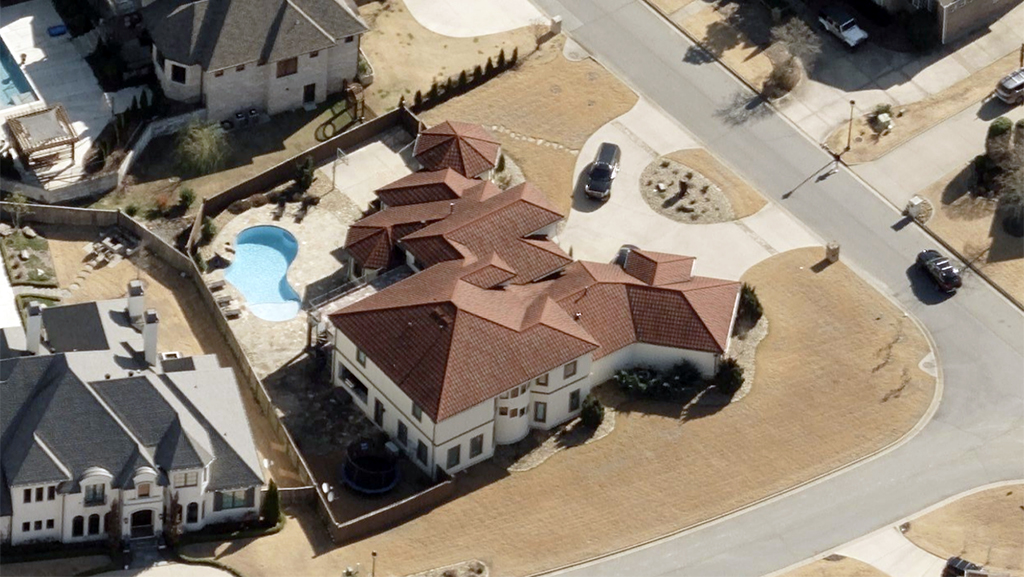
For instance, take a look at this property below in Little Rock, Arkansas. You might notice right away the discoloration on the roof tiles, the closeness of the various vegetation as we move around the property. How would this visual confirmation support your underwriting decisions?
Why resolution and consistency matter
Seeing a property is one thing. Seeing it clearly enough to trust your decision is another. If the goal is faster, defensible underwriting at scale, the quality and consistency of your imagery provider makes all the difference.
| IMAGE SOURCE | CHALLENGE |
|---|---|
| Satellite | Satellite imagery often lacks the resolution needed to evaluate roof condition or fine property details |
| Drone | Drone imagery may provide detail, but is typically not scalable across large portfolios |
| Other Aerial Programs | Other aerial programs may lack nationwide consistency (U.S.), refresh reliability, or measurement-grade quality |
Vexcel differentiates on three critical factors for underwriting teams:
- Consistency: Standardized capture and processing across the U.S. in the Lower 48 (urban + rural) plus urban areas in Hawaii and 45+ countries
- Coverage: Comprehensive, ready-to-use data libraries that support portfolio-scale review
- Quality: Highly accurate imagery engineered for measurement and analytics not just visualization
For underwriters, that means the data can be operationalized across entire books of business, not just one-off cases.
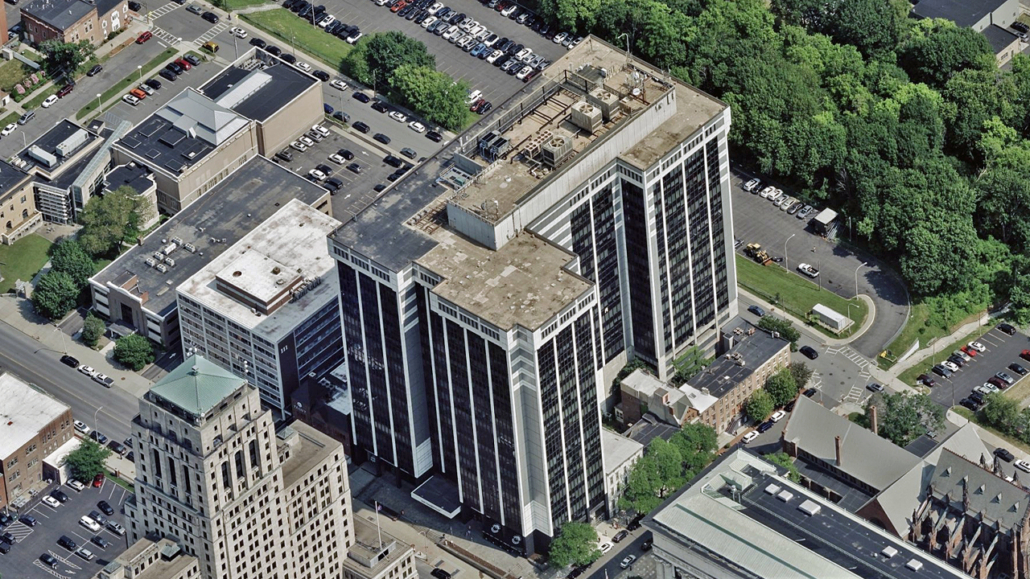
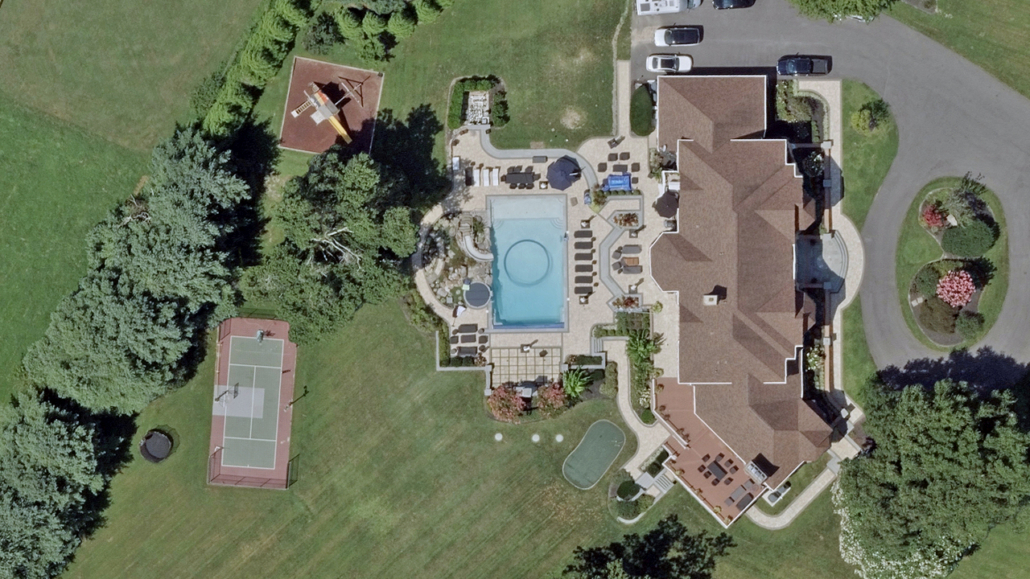
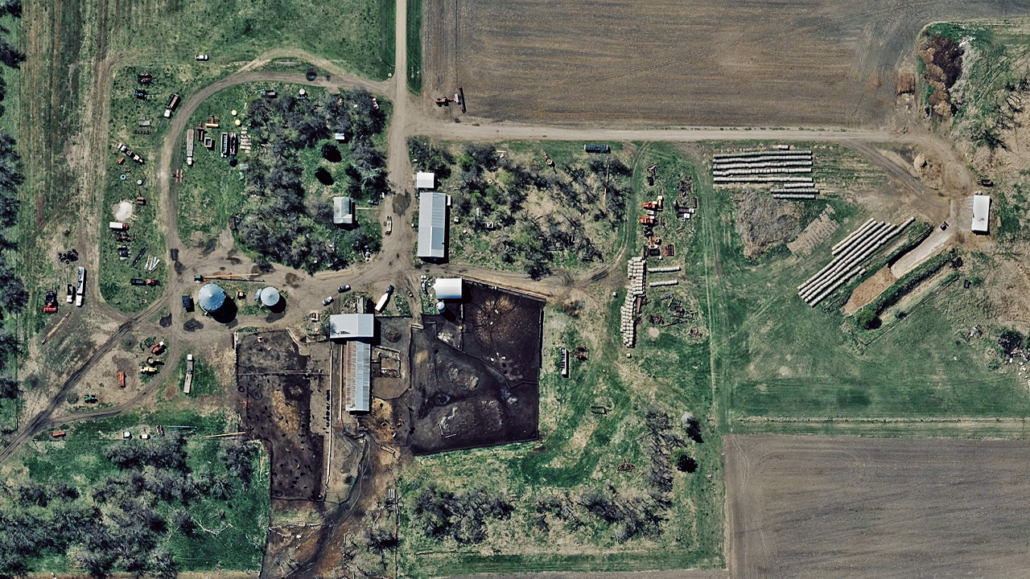
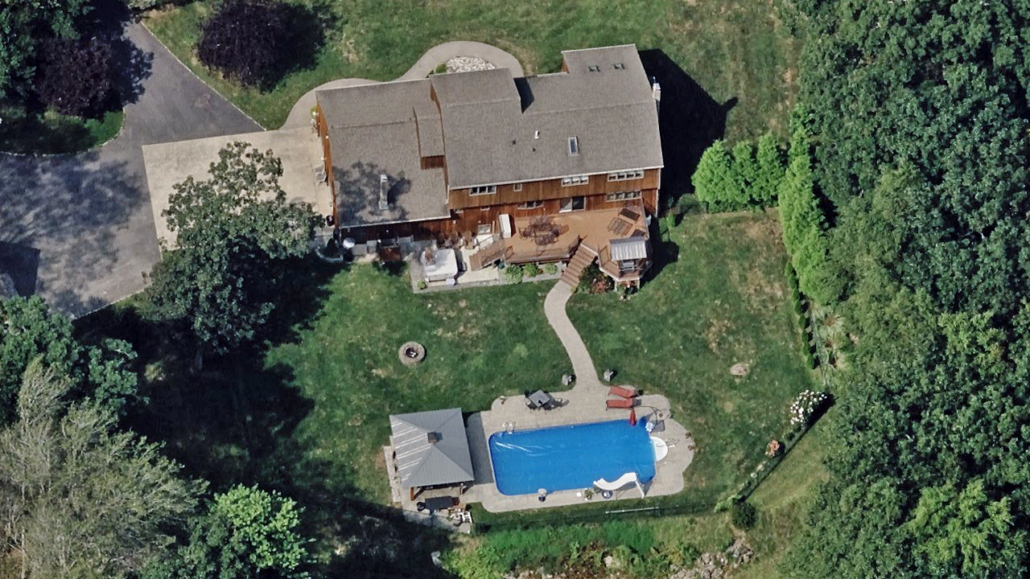
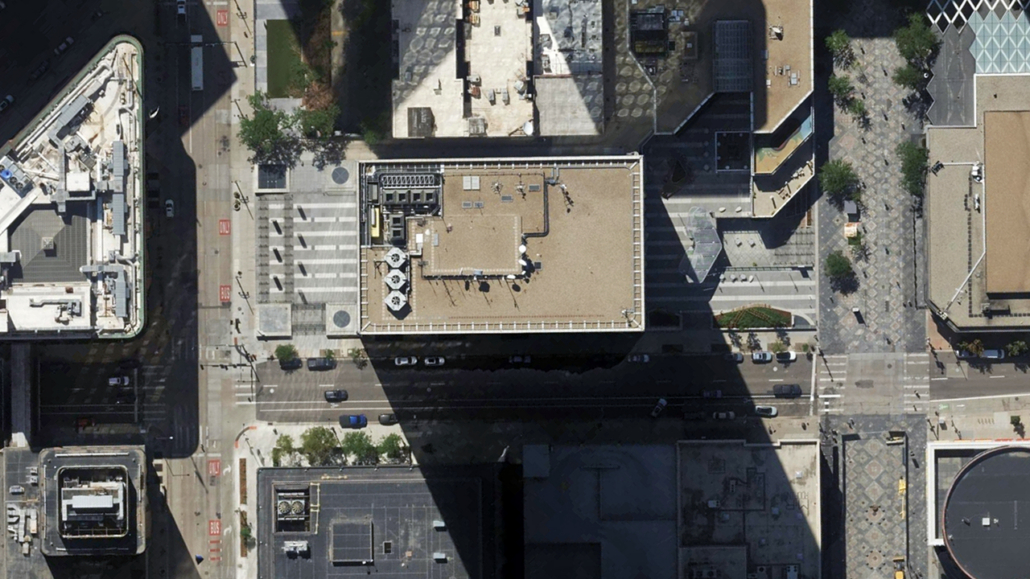
In each of the images in the gallery below, whether it be commercial or residential, ask the questions: What can be detected on this property? What level of roof detail is easily discernible? What risks are present near the property? How will using this data impact the speed of decision making?
A smarter workflow, not just smarter data
In today’s market, underwriting advantage comes down to speed, accuracy, and defensibility. Teams that can verify property reality quickly will outperform those still relying on outdated records and reactive inspections. High-resolution aerial imagery doesn’t replace underwriting expertise, it strengthens it. And in a competitive environment, that difference shows up on the bottom line. When you can see the risk, you can stand behind the decision.